

Pre-Seed Fundraising Checklist: Investor-Ready Signals
A practical pre-seed fundraising checklist, readiness scorecard, traction milestones, cheque sizes, investor types, SAFE terms, and pitch focus, plus a clean plan.
January 7, 2026
Use this startup fundraising checklist to prepare your pitch deck, financial model, and investor outreach strategy step by step.
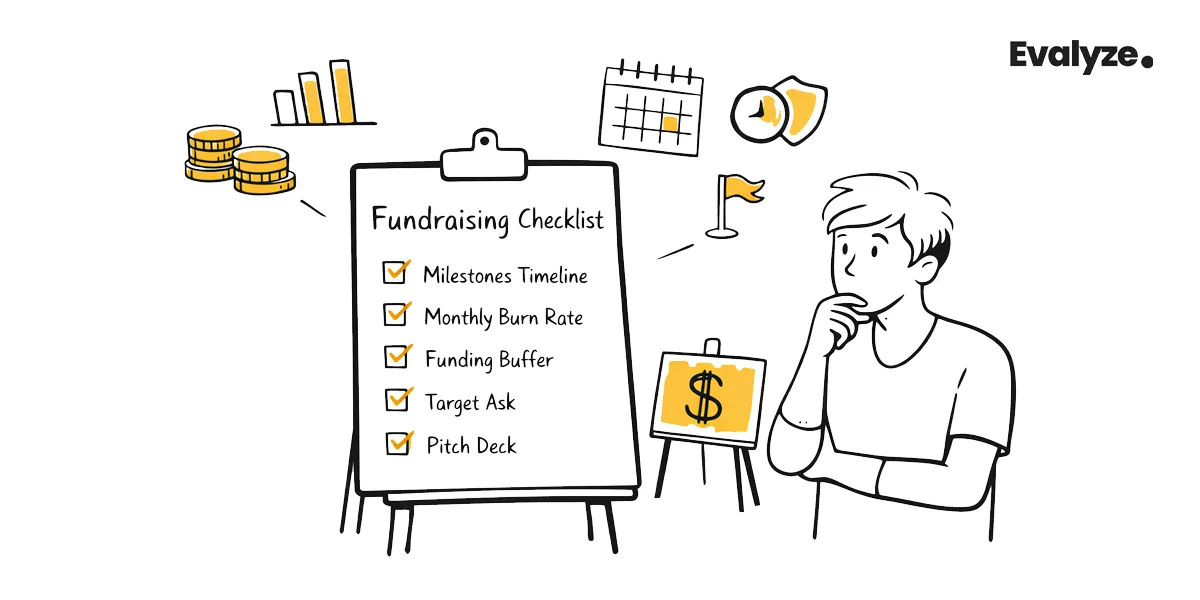
Many founders jump into investor meetings before they are actually ready. They have a product, a vision, and a lot of energy, but no clear process.
Fundraising is not just a series of pitch meetings. It is a structured process that takes planning, the right documents, and a solid understanding of what investors expect.
If you are preparing to raise capital for the first time, this startup fundraising checklist is for you. Use it as a practical guide to get investor-ready before you send a single email.
Key Takeaways
Before you talk to a single investor, you need to be clear on the basics:
“How much are you raising, why, and what will you do with the money?“
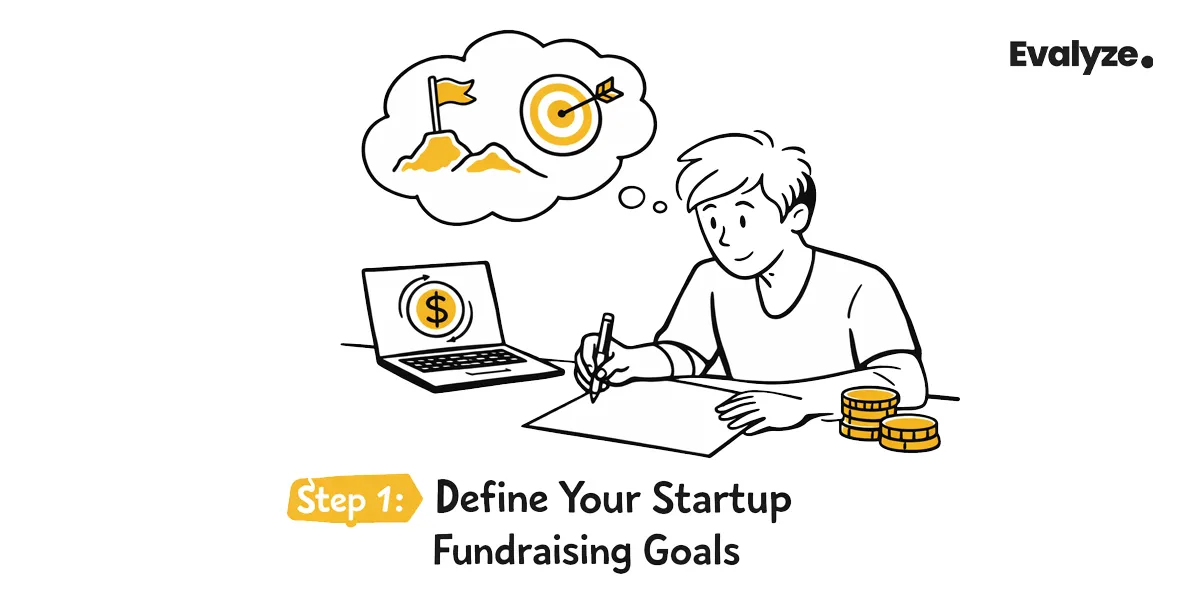
These seem like obvious questions, but many first-time founders skip this step, and it shows.
Start by connecting your fundraising target to specific milestones, not just to your monthly burn rate. Investors want to know what progress their money will unlock.
For example: "We are raising $800,000 to reach product-market fit and hit $50,000 in monthly recurring revenue within 18 months." That is a fundable story.
"We need six months of runway" is not.
It also helps to be clear on what stage you are at:
Pre-seed: You are testing an idea, building an MVP, or validating early assumptions. Rounds are typically small, often in the $100,000 to $500,000 range.
Seed: You have an early product and some traction. You are raising to grow. Rounds typically range from $500,000 to $3 million.
Series A: You have demonstrated product-market fit and a repeatable growth model. Rounds are usually $3 million and up.
💡 Tip: Founders who tie their fundraising goals to clear milestones, not just burn rate, tend to close rounds faster and on better terms. Know your numbers and your plan before the first meeting.
One of the most common reasons early-stage fundraising stalls is the documentation. Investors will ask for specific materials at every stage of the process, and not having them ready sends the wrong signal.
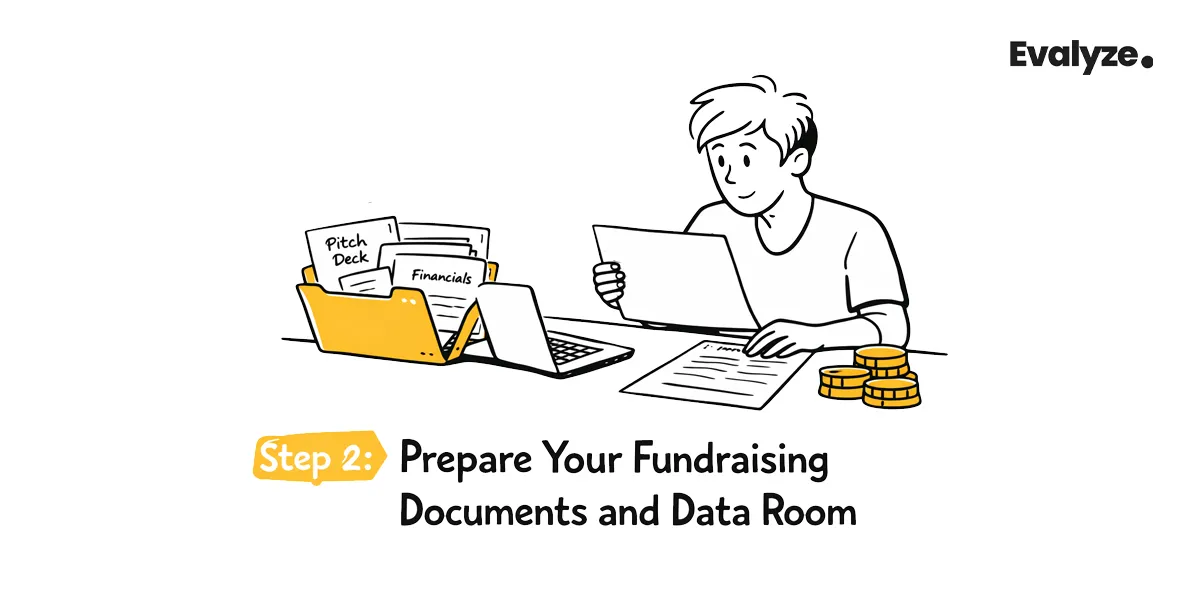
Here is a startup pitch deck checklist and document list to prepare before you start outreach:
Core Documents Checklist
The due diligence checklist for startups is longer than most founders expect. The earlier you start building it, the smoother your process will be.
What to read next: How Much Money to Raise at the Seed Stage?
💡 Is Your Pitch Deck Investor-Ready? Run it through Evalyze's Pitch Deck Analyzer and get instant, actionable feedback before you send it to a single investor.
Investors, especially at the seed stage, invest in traction. Before you start outreach, make sure you can speak confidently to the growth metrics that matter most for your business.
This is the part of the startup fundraising process that many early-stage founders underestimate.
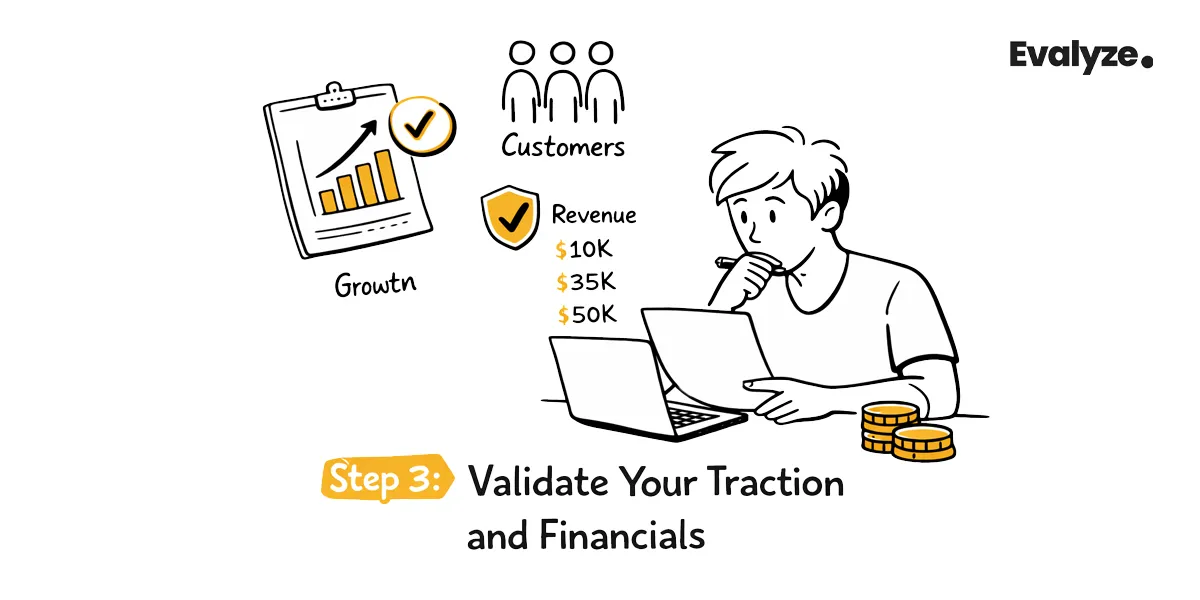
Here are the key areas to cover:
Traction Checklist
If you are pre-revenue, focus on qualitative evidence of product-market fit: user interviews, waitlist sign-ups, pilot agreements, or letters of intent from potential customers. These scalability and traction metrics tell a story even before the numbers are big.
Take the next step: Pre-Seed Fundraising Checklist
Not every investor is the right fit for your startup. Stage, sector, geography, and fund size all matter. Sending the same generic pitch to 200 investors is one of the most common and costly mistakes early-stage founders make. A focused, researched investor outreach strategy will get you further than a broad, impersonal one.
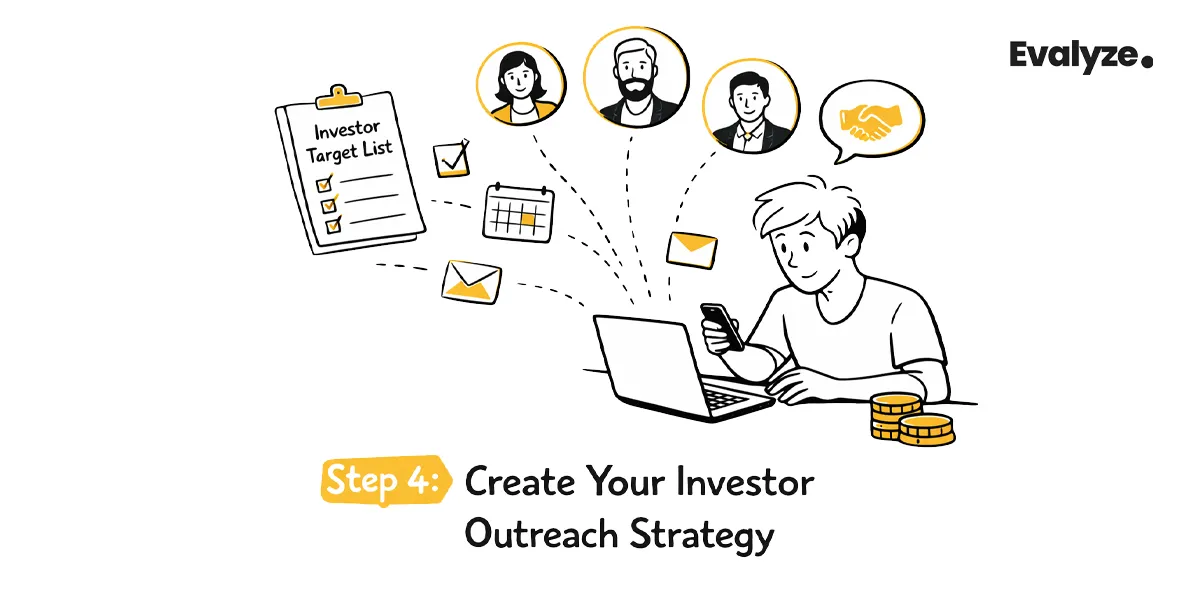
Start by understanding the types of investors available to you:
From the Evalyze library: Fundraising 101: How to Raise Your First Round
Once you know who you are targeting, build a list of 30 to 50 investors who are a genuine fit. Warm introductions through accelerators, advisors, or mutual connections consistently outperform cold outreach. If you are cold outreach, personalise every message by referencing their portfolio, their thesis, and why you are specifically right for them.
Investor Outreach Checklist
💡 Find Your Best-Fit Investors and Prep for Tough Questions Finding the right investors is half the battle. Evalyze's AI Investor Matching tool helps you identify the best-fit investors for your stage and sector. And when the meetings start, our AI Pitch Coach helps you prepare for the questions that actually get asked.
Once your materials are ready and your investor list is built, the fundraising process itself typically follows a predictable path.
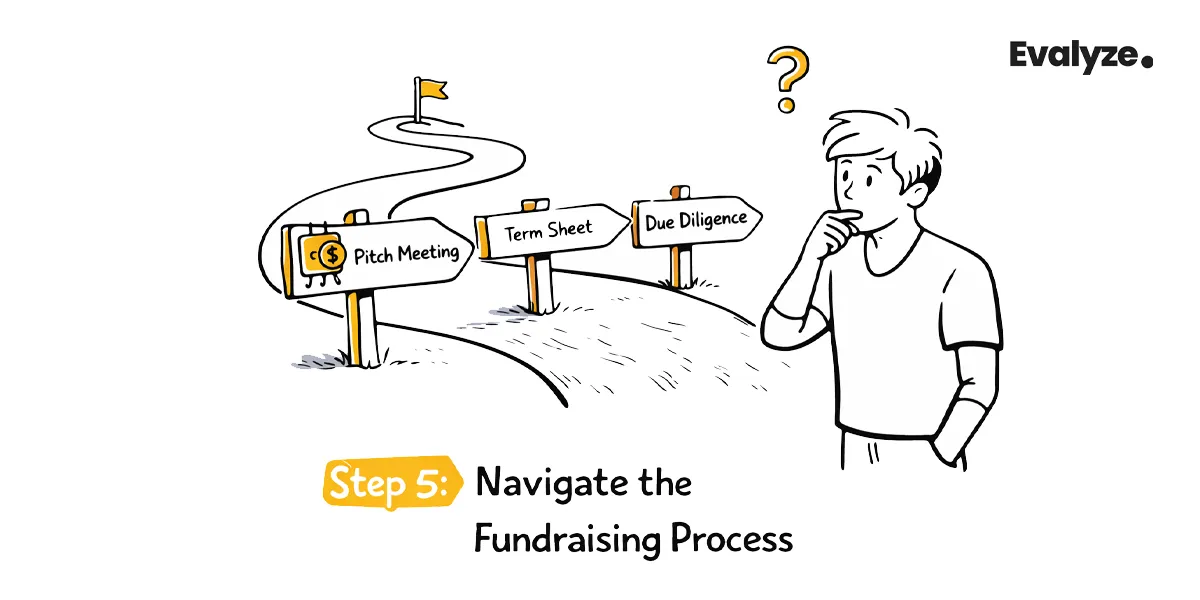
Understanding each stage helps you manage your pipeline and set realistic expectations.
Free resource for you: 7 Investor Follow-Up Emails
Common deal structures you will encounter at the early stage:
Watch out for significant equity dilution in early rounds, long close timelines, and terms that limit your flexibility in future fundraising. A fundraising timeline of 3 to 6 months for a seed round is realistic, though sometimes longer.
Keep learning: How to Build an Investor Funnel + Template
Even with a solid pitch and strong materials, investor meetings can catch you off guard.
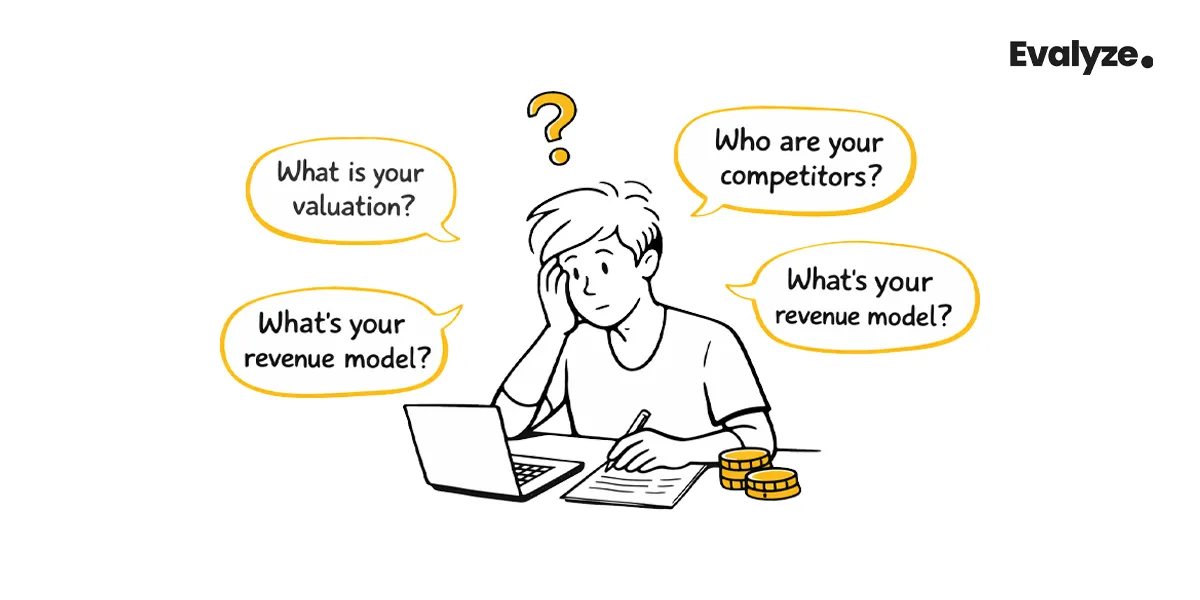
Here are five questions you should be able to answer confidently every time:
Fundraising is a process, and preparation is what separates funded founders from the rest. The founders who close rounds are not necessarily the ones with the best ideas; they are the ones who show up prepared, know their numbers, and have done the work before the first meeting.
This startup fundraising checklist is a starting point. Every round is different, every investor is different, and your context will shape how each step plays out. But the fundamentals here apply across stages and sectors.
The best time to start preparing is before you need the money. If you are getting ready to raise, Evalyze can help you get investor-ready faster, from analyzing your pitch deck to matching you with the right investors and coaching you through the tough questions.
FAQ
A practical pre-seed fundraising checklist, readiness scorecard, traction milestones, cheque sizes, investor types, SAFE terms, and pitch focus, plus a clean plan.
January 7, 2026
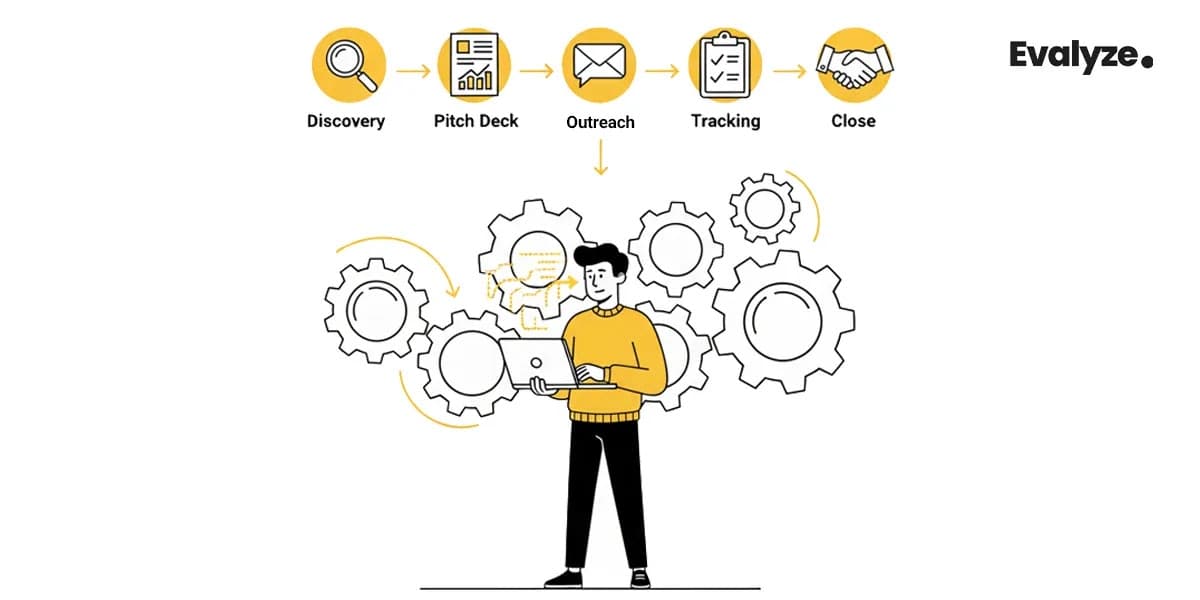
What to automate in fundraising (CRM, follow-ups, data rooms) and what not to. A trust-first playbook that won’t look like a bot farm.
December 25, 2025