

Startup Due Diligence: Checklists, Tools & AI Guide
Master startup due diligence in process, stage-by-stage checklists, AI tools, red flags investors look for, and a YC-style data room template.
May 17, 2026
Learn which documents you need to raise angel investment, what to share before vs. after a term sheet, and when to get legal help.

The core angel investment documents I would prepare before serious outreach are a pitch deck, executive summary, financial model, cap table, basic data room, and key legal documents.
Key Takeaways
| Document | What It Proves | When I’d Share It |
|---|---|---|
| Pitch deck | The company, market, traction, team, and funding ask | First outreach or first meeting |
| Executive summary | A one-page snapshot that an angel can forward | After interest or before a call |
| Financial model | Burn, runway, assumptions, and use of funds | Before or after first meeting |
| Cap table | Ownership, dilution, SAFEs, notes, and option pool | After serious interest |
| Investor memo | The deeper case for why this deal should exist | After first meeting or with syndicates |
| Data room | Organized due diligence evidence | After strong interest or term sheet |
| Legal documents | Formation, IP, contracts, and financing paperwork | Mostly after term sheet |
💡My rule is this: share enough to help a real investor make progress, but not so much that you hand sensitive company information to anyone who asks.
I would not send the same folder to every angel.
A first-touch investor needs enough context to decide whether the company is relevant. A serious investor needs enough evidence to decide if the round is clean. A post-term-sheet investor needs enough documentation to complete diligence.
That is the difference between fundraising materials and due diligence materials. The first group earns interest. The second group protects the deal.
Clean up your deck before angels see it.
Analyze My Pitch Deck →
Your pitch deck is not the full company story. It is the first filter.
Dropbox/DocSend’s fundraising research says investors now spend less than three minutes reviewing pitch decks, which means your opening slides must work fast.
The same source recommends a concise, organized deck that clearly covers the business narrative, monetization plan, market, traction, competition, and fundraising ask.
I would build the deck around these sections:
Company one-liner
Problem
Solution
Product
Market
Why now
Traction
Business model
Competition
Team
Ask and use of funds
Milestones after the round
The mistake I see often:
Founders explain the product before explaining why the company should exist. This is why learning how to write a pitch deck storyline is critical.
Angels don't just invest in what you built; they invest in why the problem matters now, why you can win, and how this capital unlocks your next major milestone.
If your deck feels weak, run it through Evalyze’s AI Startup Analyzer before outreach, not after ten investors have already ignored it.
An executive summary is not a smaller pitch deck. It is a one-page investor snapshot.
I would write it for one specific use case:
An angel likes the company and wants to forward the opportunity to another investor, partner, operator, or syndicate member.
A strong executive summary should include:
Company name and one-liner
Problem
Solution
Target customer
Current traction
Business model
Market size
Founder-market fit
Round size
Use of funds
12–18 month milestone
Keep it to one page. If it needs two pages, the thinking is probably not tight enough.
💡My advice:
Make the executive summary more specific than the deck. The deck can use visuals and narrative. The summary has to work in plain text. Instead of saying “large market,” name the buyer, the pain, and how the company earns money. Instead of saying “raising to grow,” write the exact milestone the round funds.
Example:
We are raising $500K to reach 20 paid pilots, hire one senior backend engineer, and extend the runway to 18 months.
That sentence is far more useful than “we are raising to accelerate growth.”
Angel investors do not expect a perfect forecast. They know early-stage models break.
What they want to see is if you understand the economics of your own plan.
I would keep the model simple and readable. At the angel stage, the model should answer:
How do you make money?
What are the pricing assumptions?
What drives revenue growth?
What does customer acquisition cost?
What is the current burn?
How much runway does the round create?
What hires does the round fund?
What milestone should the company reach before the next raise?
If you are raising pre-seed, connect this section to your raise amount. Evalyze has a useful related guide on how much money to raise at pre-seed, because the funding ask should come from runway, burn, and milestone math, not founder optimism.
I would not overbuild the model. A complicated spreadsheet with fragile assumptions can hurt trust. A clean 12-24 month model with clear drivers is better.
The cap table shows who owns what.
For angel investment, it should include:
Founders
Employee option pool
Advisors, if they have equity
Existing investors
Convertible notes
Any promised but not yet issued equity
Expected dilution after the round
This is where many early rounds get messy. A founder may think they are raising “just a few angel checks,” but each SAFE or note affects ownership later.
Y Combinator explains that the post-money SAFE was designed so founders and investors can calculate immediately and precisely how much ownership has been sold; YC also warns founders to understand how much dilution each SAFE creates.
I would model every SAFE before signing it. I would also avoid casual equity promises to advisors, contractors, or early supporters unless the paperwork is clear.
A data room is useful when it is organized. It is dangerous when it is treated like a public file dump.
I would create two access levels.
Share only what helps an angel evaluate the opportunity:
Pitch deck
Executive summary
Basic financial model
Clean cap table
Team bios
At this stage, the investor is deciding whether the company is worth more time. They do not need every contract, every technical document, or every internal spreadsheet.
Once the investor is serious, I would add:
Incorporation documents
Founder agreements
IP assignment agreements
Employment and contractor agreements
Customer references, with permission
LOIs and customer contracts
Technical architecture overview
Hiring plan
Financing documents
Board or shareholder consents, if needed
This is where startup due diligence becomes real. Due diligence is not a formality. It is the investor checking whether the claims in your deck match the documents behind the company.
Organize your fundraising materials in the Evalyze Data Room before diligence begins.
Prepare With Evalyze →
Legal documents are not exciting, but missing legal paperwork can stop a round late in the process.
For angel investment, I would review:
Certificate of incorporation or formation documents
Company bylaws or operating agreement
Founder stock purchase agreements
IP assignment agreements
Contractor and employee agreements
Advisor agreements
Existing SAFEs or convertible notes
Equity purchase documents, if using a priced round
Board or shareholder approvals
Securities exemption and filing requirements
For US companies, this matters because the SEC says every offer and sale of securities by a private company must be either registered with the SEC or conducted under an exemption, including sales to friends, family, angel investors, and venture capital funds.
If the round uses Regulation D, the SEC says Form D is a notice of an exempt securities offering, and companies must file it within 15 days after the first sale of securities.
This is where I would not improvise. A friendly angel is still buying a security. A simple SAFE is still a legal agreement.
Not every angel round needs an investor memo.
I would prepare one if:
You are raising from an angel syndicate.
Several investors need to understand the deal without joining every call.
Your business is technical or regulated.
Your market timing needs explanation.
You want to make the investment case easier to forward.
A useful investor memo covers:
Investment thesis
Market timing
Product
Traction
Business model
Competition
Team
Round terms
Risks
How the round will be used
Milestones after funding
The risk section matters. I would rather see a founder name the real risks than pretend there are none. Angels know the company is risky. The question is whether the founder understands the risk and has a plan.
Investor due diligence means verification.
The investor is checking if your company is what you said it is.
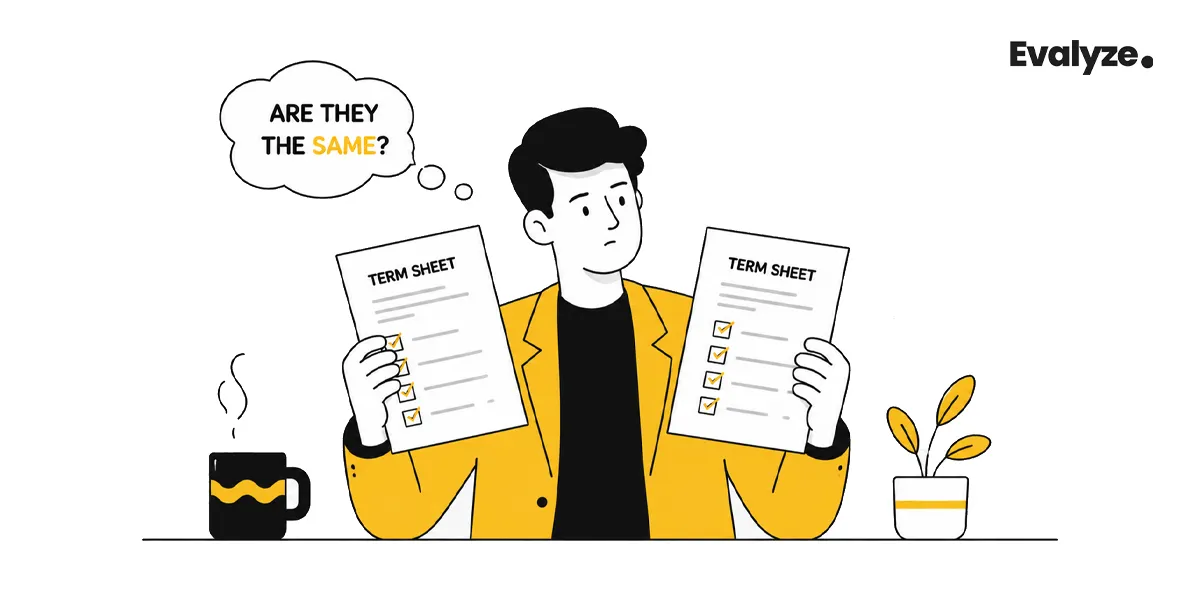
Angels may check:
Is the company properly formed?
Does the company own its IP?
Is the cap table clean?
Are customer and revenue claims supported?
Are LOIs or contracts real?
Are there unresolved legal issues?
Is the financing structure clear?
Do the founders understand use of funds?
Are there investor rights that could hurt future financing?
This is why I would not treat diligence as a document upload task. It is a trust test.
The best founders answer diligence questions in three layers:
Fact: the number or document.
Context: why it looks that way.
Forecast: what changes next and what could break.
For example, if an angel asks about burn, a weak answer is: We burn $35K per month.
A stronger answer is:
We burn $35K per month today. After the raise, burn increases to $55K because we are hiring one engineer and increasing outbound testing. That gives us 16 months of runway and should get us to 15 paid pilots. If the conversion from pilot to paid customer is below 25%, we pause the second hire.
That is the difference between reporting numbers and showing control.
If you want the process to feel less scattered, Evalyze’s fundraising automation guide can help you think through what to automate and what should stay founder-led.
Yes. I would involve a startup lawyer before signing or issuing investment documents, not after.
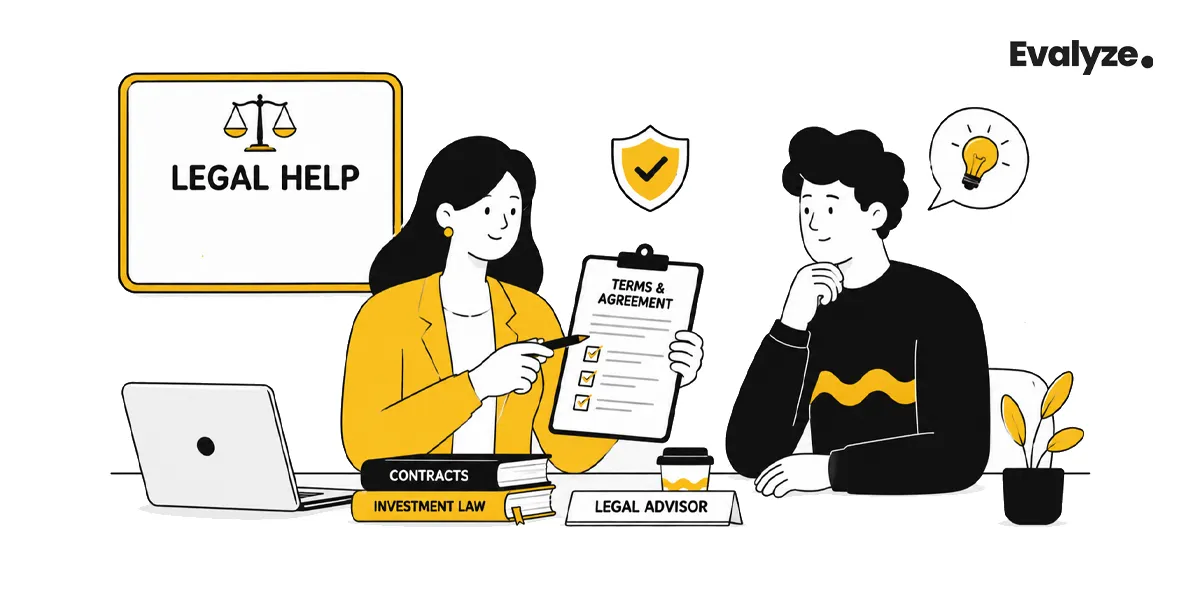
This matters for SAFEs, convertible notes, priced equity agreements, side letters, investor rights, pro rata rights, securities exemptions, and filings. Even if you use standard templates, the facts around your company can change what is safe to sign.
YC provides SAFE templates, but it also says founders should consult a lawyer licensed in the country where the company was formed before using the forms.
💡My practical advice: do not wait until the investor sends money. Legal cleanup after a signed document is harder than legal review before signature.
This is not legal advice. It is the point where a qualified startup lawyer becomes cheaper than a future cap table problem.
To ensure you haven't missed any preparatory steps, you can cross-reference your assets with a complete startup fundraising checklist.
I would use Evalyze before sending the first batch of angel outreach.
Not because a tool replaces founder judgment. It does not. I would use it because fundraising has too many moving parts to manage in my head.
For this specific document workflow, Evalyze.ai can help with:
AI Startup Analyzer: Review the pitch deck before angels see it.
AI Pitch Coach: Improve weak narrative, unclear slides, and investor-facing answers.
Investor Discovery: Find investors by stage, location, sector, check size, investor type, and lead preference.
AI Investor Matching Campaigns: Match the company with relevant investors after the founder uploads a deck and answers startup questions.
Investor Shortlist: Keep serious investor targets organized.
Data Room: Manage pitch decks and PDF materials in one place.
If the founder is not ready, the answer should not be “send more emails.” It should be “fix the materials first.”
Build your angel round with cleaner materials and better-fit investors.
Start With Evalyze →
FAQ
Master startup due diligence in process, stage-by-stage checklists, AI tools, red flags investors look for, and a YC-style data room template.
May 17, 2026
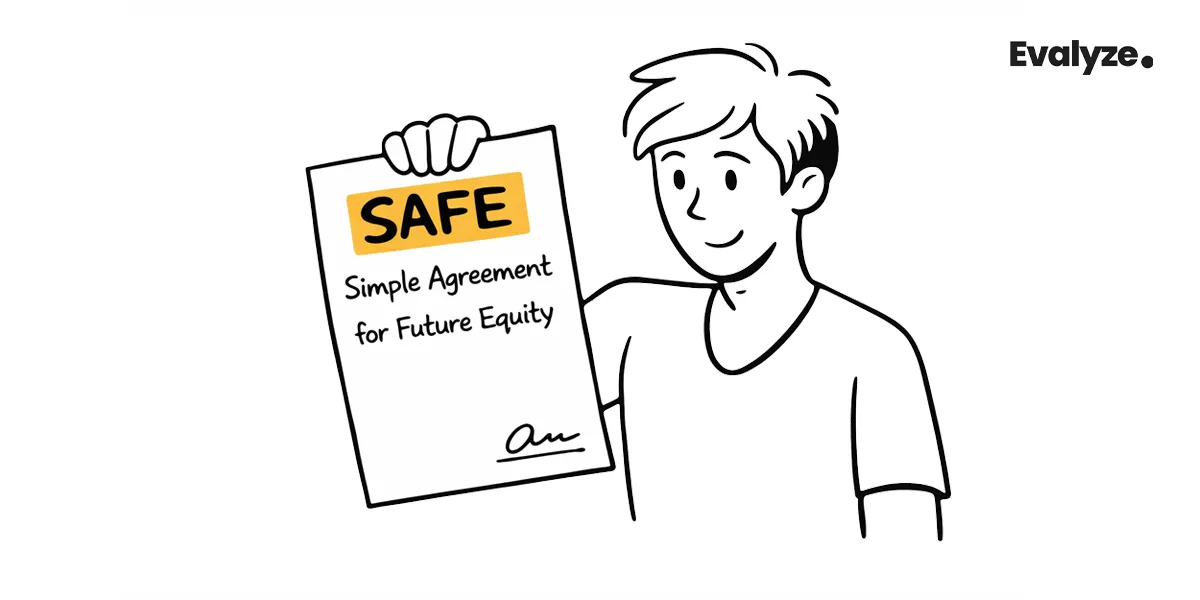
Understanding SAFE agreements in startup funding. See how valuation caps, discounts, and trigger events work in early-stage fundraising.
February 23, 2026