

How to Build an Investor Funnel + Template
Set up a founder-friendly investor funnel, CRM stages, lead segmentation, follow-ups, and conversion tracking, plus spreadsheet + Notion templates.
December 28, 2025
Master the 2026 system for getting a warm intro to investors. Includes the double opt-in protocol, forwardable email templates, and AI tools for founders.
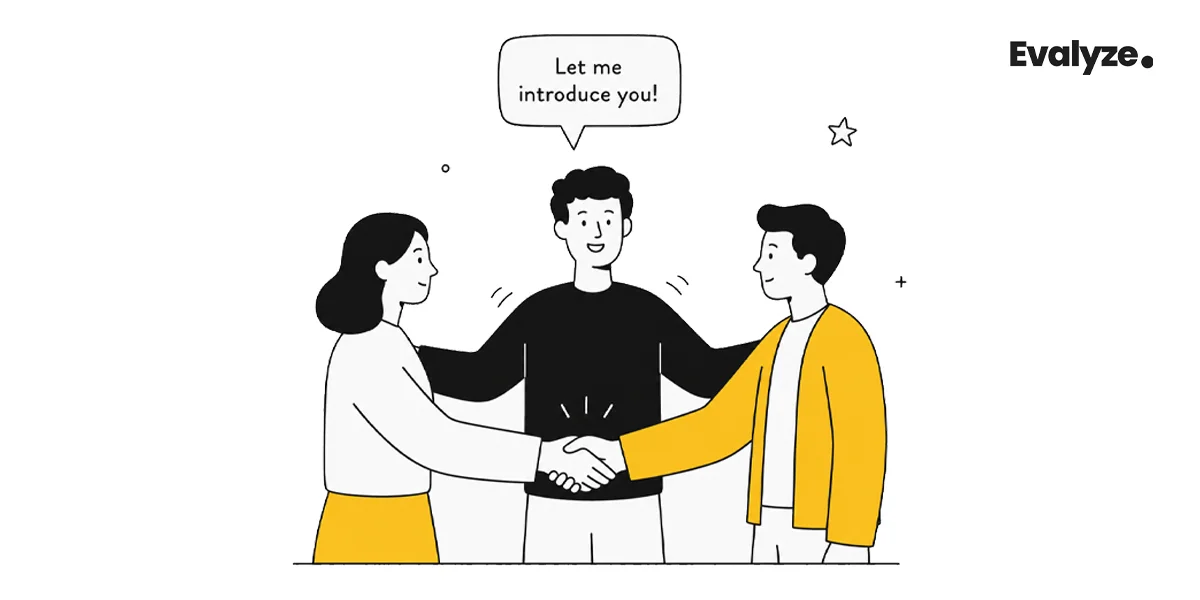
A warm intro is when a person the investor already trusts, another founder, a backer, or a respected operator refers you to them. It works because investing is social. The introducer’s reputation pre-screens the deal before the investor reads a single slide.
According to a 2017 DocSend study, warm intros increase the likelihood of funding by roughly 13x compared with cold emails.
This guide is the 2026 system for getting one even if you have no network today.
Key Takeaways
Cold outreach is easier in 2026 thanks to AI screeners, but the structural math of venture hasn't changed. Investors still substitute social proof for financial proof because early-stage startups lack the data history to model.
A warm vouch clears the "legitimacy hurdle" in the first 90 seconds, letting the investor focus on your vision instead of your risk.
It is important to acknowledge that warm intros can entrench bias. Critics like Del Johnson (Plexo Capital) argue they promote exclusion, and Harvard research suggests that VCs relying on homogeneous networks actually underperform.
The most successful 2026 founders play the system as it exists, securing the intros they need while simultaneously building more diverse, data-driven networks. Here is how you do that.
Not every introduction is equal. An intro from your existing investor carries roughly 10x the weight of an intro from a LinkedIn 2nd-degree connection because your existing investor has money on the line. Their reputation is staked on you doing well.
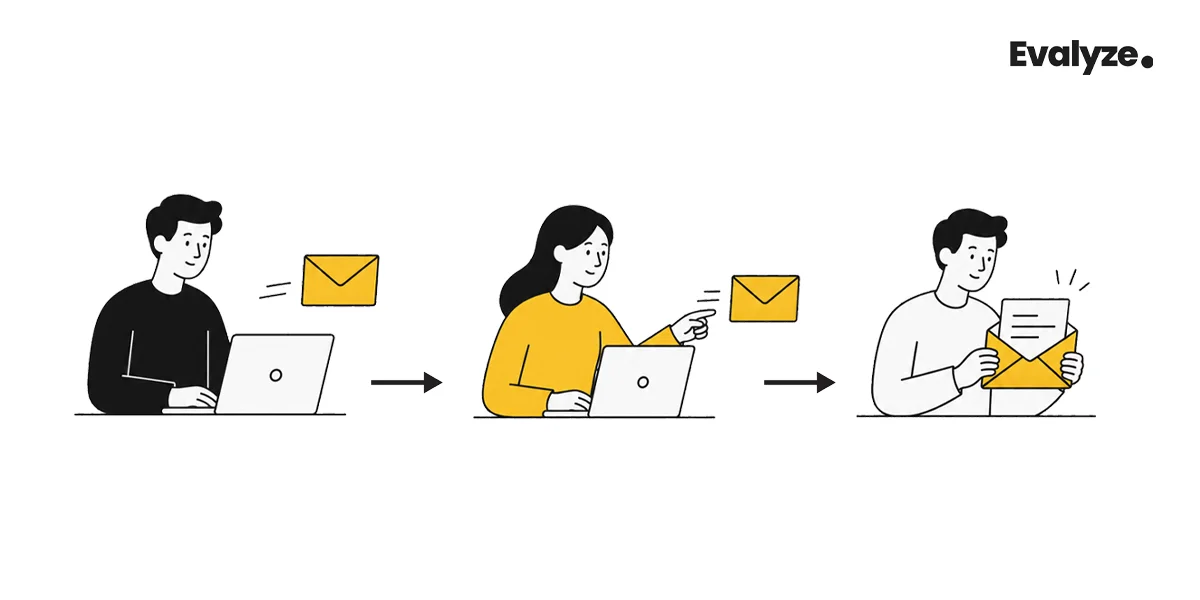
Here’s the hierarchy, ranked by signal strength.
If you’ve already raised any capital from a friend, a local angel, or an accelerator, those people are your strongest intro engine. They sit in WhatsApp groups, syndicates, and LP networks where founders aren’t.
Build The Habit: In every monthly investor update, include a 'current asks' section listing 3-5 specific investors you'd like intros to. The same investor pipeline that tracks follow-ups is where the asks live. Don’t make them figure out what you need; give them the names so they can just say "yes" or "no."
Per Brian Devaney at Underscore VC, an intro from a founder the investor has already backed beats almost everything else. Investors trust the founders they wrote checks to more than they trust other VCs.
Look up the investor's portfolio on Crunchbase, or use an AI matching tool like Evalyze that automatically surfaces portfolio overlap. Find a founder solving an adjacent problem.
A senior engineer who has shipped with you for two years. A customer running a $50M revenue business who depends on your product. An advisor with prior wins.
As Sooah Cho at Underscore put it: “I trust intros from contacts who can personally make the case that this is a rockstar founder based on a prior working relationship.”
The translation is brutal. The engineer you have shipped with for 18 months is a stronger intro vector than the VP you cold-DM’d at a conference last week.
The largest tier by volume, the smallest by conversion. Most founders have 200+ paths into investors here that they never realized existed.
The catch: a “connection” on LinkedIn often means two people who attended the same conference once and traded business cards. Filter ruthlessly. Only count people who would recognize your face.
Until recently, finding warm-intro paths meant typing investor names into LinkedIn one by one and crossing your fingers. That works for the first 5 names. It doesn’t work for the 50 you actually need to reach. The 2026 toolkit changes the game.
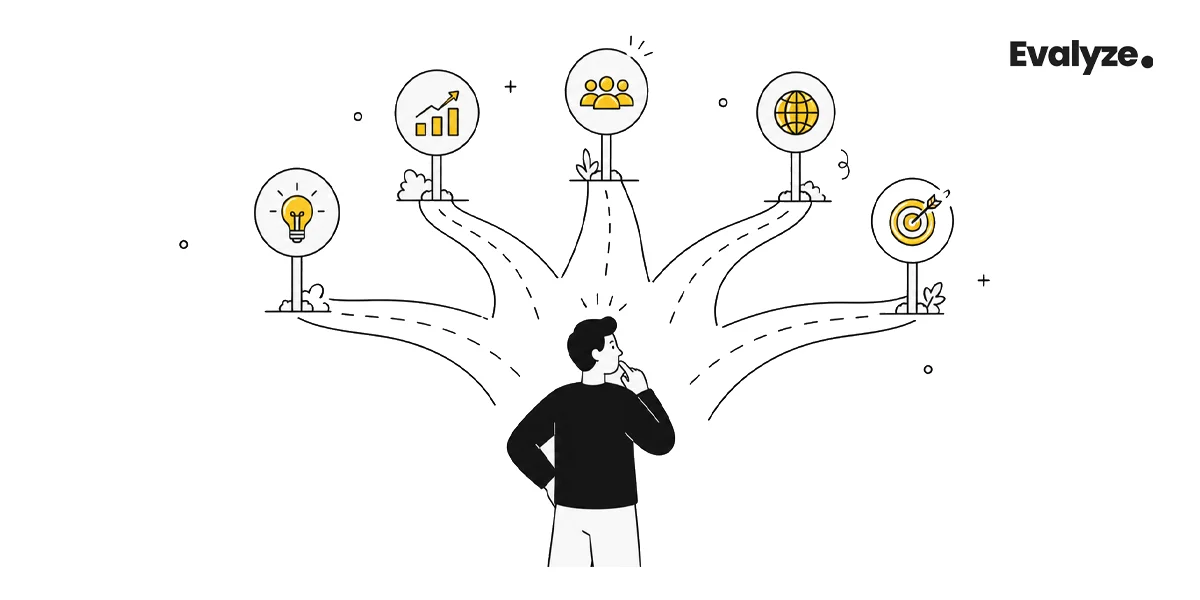
Four methods, ranked by where they fit in your fundraising.
Free. Type the investor’s name, click People → 2nd-degree connections. You’ll see a list of mutual contacts. Filter by who actually knows the investor well; most second-degree connections are weak.
Free. OpenVC’s Intro Finder surfaces mutual paths to investors as you research them. It connects to your LinkedIn and email, then shows where intro paths exist alongside investor profiles. If you're weighing OpenVC against other matching platforms, we've broken down the differences in detail. It doesn’t automate outreach; it just reveals where the paths are.
Paid. Flowlie scores each intro path by dual relationship strength, yours to the connector, the connector’s to the investor. Built by ex-VCs. Strong for active raises with 50+ target investors.
The mistake most founders make is using intro tools before they’ve fixed their target list. A warm intro to the wrong investor still wastes the round.
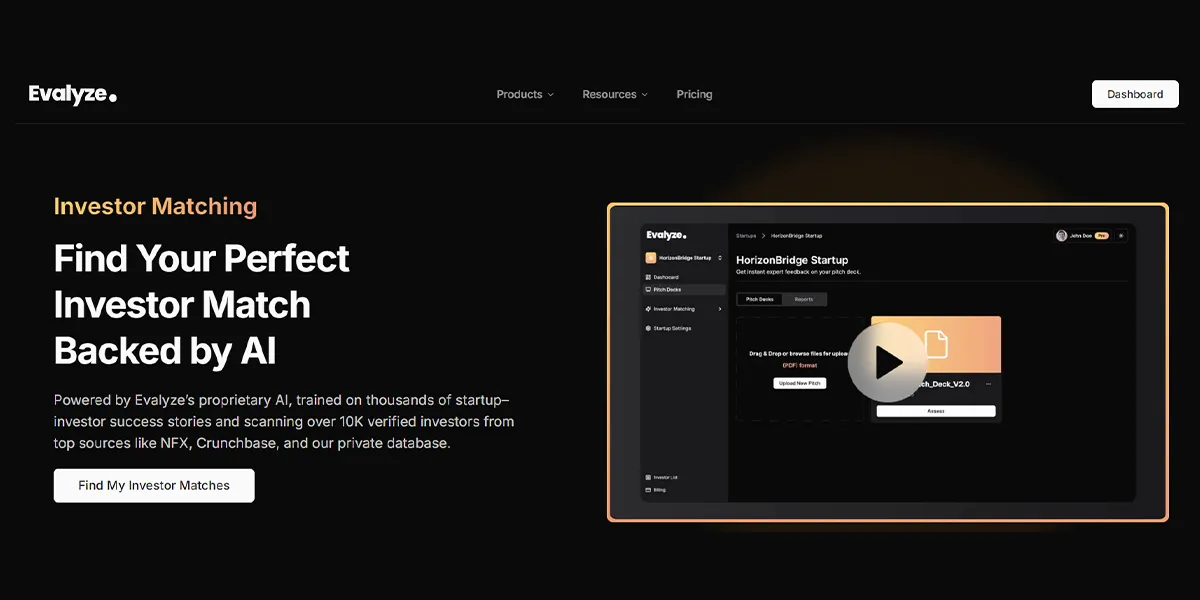
Evalyze.ai handles the step that comes before the intro ask. It matches your startup against 10,000+ verified investor profiles by stage, sector, geography, and recent check activity, then scores your pitch deck against 8,000+ fundraises so you know your deck is intro-ready.
The Output: a ranked list of investors who actually fund companies like yours, with explanations of why each is a fit.
| Tool | Free? | What it actually does | Best used for |
|---|---|---|---|
| Manual LinkedIn | Yes | Surfaces 1st and 2nd-degree connections one investor at a time | Your top 5 priority investors |
| OpenVC Intro Finder | Yes | Maps mutual paths automatically as you research investors | Founders with a 200+ LinkedIn network |
| Flowlie | No | Scores each path by dual relationship strength and ranks the asks | Active raises with 50+ target investors |
| Evalyze.ai | Free tier | Matches investors to your stage and sector, scores deck readiness before the ask | Pre-ask preparation fixes the target list and deck first |
The right answer is usually two of these together. Start with Evalyze.ai to fix your target list and your deck. Then use OpenVC or LinkedIn to find paths to that fixed list.
Fred Wilson at Union Square Ventures wrote the rule in November 2009, and Silicon Valley has followed it since. The connector asks both parties, you and the investor, before the intro is sent. Both must say yes before any email goes out.
Most founders break this without realizing. They send a forwardable blurb and ask the connector to “just send it.” That puts the connector in an awkward position, having to forward to an uninterested investor, and burns their social capital. They’re now the person who keeps making intros to people the investor doesn’t want to meet.
1. You email the connector with a forwardable blurb and a clear ask.
2. The connector pings the investor: “Open to an intro to X?”
3. The investor says yes (or no, gracefully).
4. The connector forwards your blurb to the investor.
5. The investor replies; you move the connector to BCC.
6. You schedule the meeting within 48 hours.
Step 1 is where most intros die. Connectors don’t write your blurb for you. If your forwardable email isn’t ready to forward within 10 seconds without editing, the connector will sit on it for 2 weeks and then forget it.
This section matters more than any other in this post. Most founders write forwardable emails the way they write cold emails, then wonder why connectors don’t send them.
The connector isn’t pitching your startup. They’re pitching their own social capital, vouching for a founder who deserves the investor’s attention. Your job is to make their vouch as easy and confident as possible.
Synthesized from Fred Wilson, Elizabeth Yin (Hustle Fund), and Alex Iskold (2048 Ventures):
7. Under 150 words. A 2024 Reddit thread on cold outreach found that emails under 56 words doubled reply rates against the 100-word baseline.
8. Subject line forwardable as-is: [Your Name] (Co) <> [Investor First Name] (Fund) | Warm Intro.
9. A specific reason this investor is referencing a portfolio company, a thesis, or a recent post they wrote.
10. Traction in numbers: MRR, growth rate, signed customers, named angels.
11. One-line ask: “Would you be open to a 20-minute call in the next two weeks?”
12. Deck linked, not attached. Investors read on phones; attachments don’t survive forwarding cleanly.
Subject: [Your Name] ([Company]) <> [Investor First Name] ([Fund]) | Warm Intro
Hi [Investor],
[Connector] suggested I reach out. We’re [one sentence: what you do, who for, what they get].
I noticed [Fund] led the seed in [Portfolio Co], which is solving [adjacent problem]. We take a different angle: [your wedge in 12 words].
Where we are:
• [Metric 1 - e.g., $40K MRR, 28% MoM growth]
• [Metric 2 - e.g., 3 enterprise pilots signed, including [name]]
• [Credibility - e.g., backed by [angel] and [angel]]
Raising a [size] [stage] round. Would you be open to a 20-minute call in the next two weeks?
Deck: [link]
Thanks,
[Name]
OpenVC’s pessimistic line on this is fair: “By the time you get to fundraising and realize you have no network, it’s too late.” Mostly true. Networks compound over the years.
But “mostly” leaves room. The first-time-founder playbook isn’t to fix your network in 30 days. It’s to skip the big VC and build a real cap table first, then let those people open the doors for the next round.
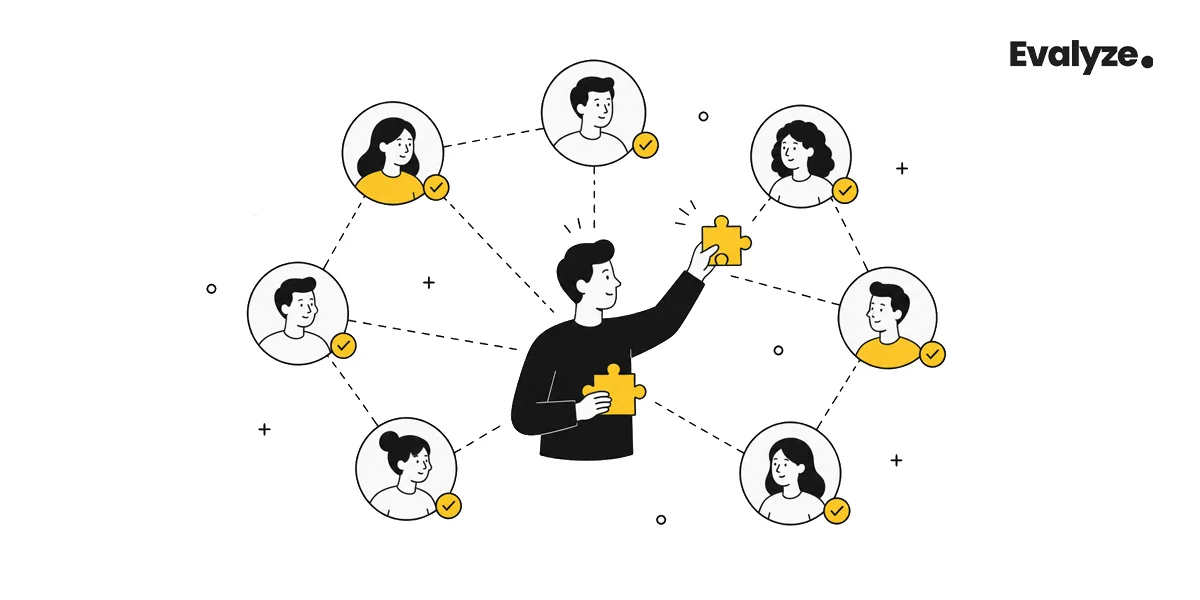
Family, friends, local angels at $5K-$10K checks. The money matters less than the cap table. A working list of 40 active angels writing checks in 2026 is a starting point. Each angel becomes an intro engine for the next round.
Jensen Huang’s first Sequoia check came from his old boss Wilf Corrigan at LSI Logic, not because Huang knew Don Valentine, but because Corrigan called Valentine and described Huang as “one of the best employees I’ve ever had.”
Your first investor opens the door for the next 10. Skip this step, and you have nothing to compound.
Y Combinator and Techstars run demo days that batch-introduce you to hundreds of LPs and angels in a single afternoon. Even regional and non-equity accelerators often have stronger investor networks than founders expect. Pick one in your stage and sector and apply.
The engineer you have shipped with for 18 months has stronger vouching power than the VP you cold-DM’d at a conference. Same for design partners, early customers, and advisors who actually advise rather than take equity. Build these relationships in the year before you raise, not the month of the raise.
Founders who post technical breakdowns, contrarian market views, or honest build-in-public threads attract investor inbound.
This compounds over months, not weeks. It won’t carry your seed round on its own. But when you do start raising, two or three of your warmest intros will come to you.
There’s a tier above warm. OpenVC named it well: a hot intro is when the connector says, “I’m investing in this company, you should too.”
Skin in the game. The connector isn’t just saying “this founder is good.” They’re putting their money behind that judgment. The signal is roughly 5x stronger than a normal warm intro at the seed stage.
Freshpaint is a YC-backed startup that raised a $1.7M seed funding. According to their public breakdown, $740K of that round, 40% came from hot intros.
Each of these is a real reason a connector who liked you stopped making intros for you:
Don't burn your bridge with a weak deck.
Even the best warm intro won't survive a confusing pitch. Use Evalyze to get an investor-grade audit of your deck before you send that forwardable email.
Most fundraising guides skip this. Here’s the dashboard:
| Metric | Healthy benchmark | What it tells you |
|---|---|---|
| Connector reply rate | 60%+ within 7 days | Your forwardable emails work |
| Investor reply rate after intro | 70%+ | Your investor targeting is right |
| Intro → first meeting | 50%+ | Your one-line pitch is clear |
| First → second meeting | 25%+ | Your deck is doing its job |
| Total intros to close | 40-60 (Jason Freedman, 42Floors) | Healthy fundraising volume |
If your connector's reply rate drops below 40%, the problem is the email being forwarded. If your investor reply rate drops below 50%, you’re targeting the wrong investors. If your intro-to-meeting rate is healthy but your second-meeting rate isn't, the deck is the leak.
FAQ
Set up a founder-friendly investor funnel, CRM stages, lead segmentation, follow-ups, and conversion tracking, plus spreadsheet + Notion templates.
December 28, 2025

An actionable guide for startup founders to identify, target, and connect with angel investors who align with their stage, sector, and funding goals.
August 7, 2025