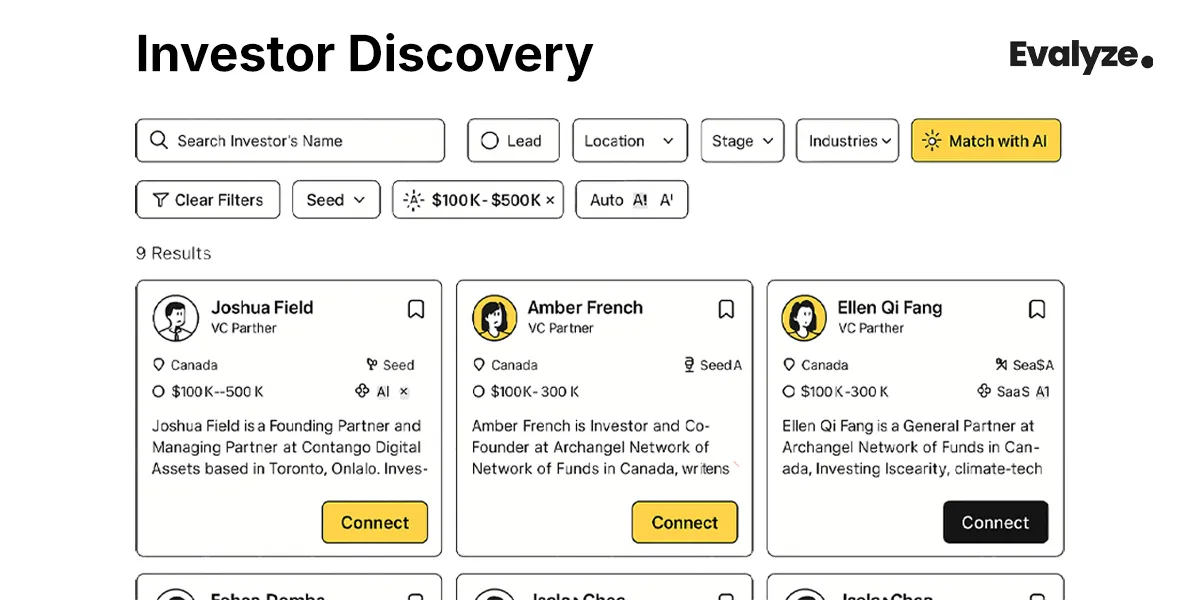
20 Startup Fundraising Tools For Founders
Fundraising feels chaotic until you build a system around it.
October 6, 2025
A founder-friendly guide to 20 AI tools for investor matching, pitch decks, outreach, and data rooms, plus a practical workflow to use them.

Founders don't struggle with "finding tools." They struggle with turning tools into momentum.
Most fundraising pain looks like one of these:
A useful AI stack solves this with a clean sequence:
Prepare → Target → Reach → Track → Close
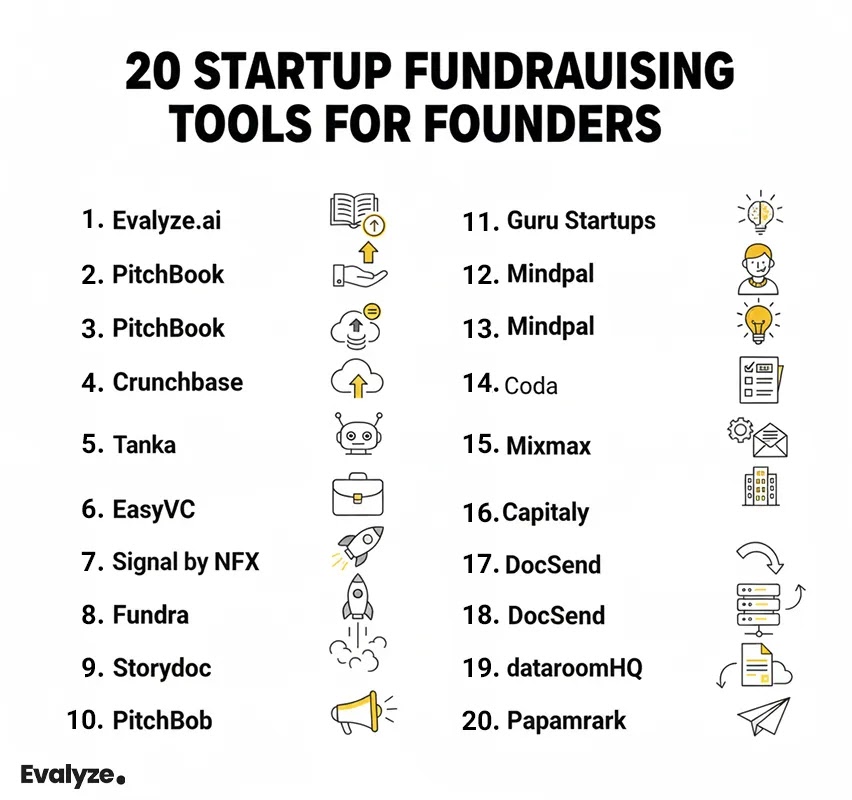
Below is a list of 20 tools across those steps, plus a workflow you can actually follow.
Key Takeaways
A fundraising tool is worth paying for if it reduces one of these four costs:
If a tool doesn't reduce one of those costs, it's probably just an expensive place to store anxiety.
These help you answer: "Who invests in something like us, at our stage, right now?"
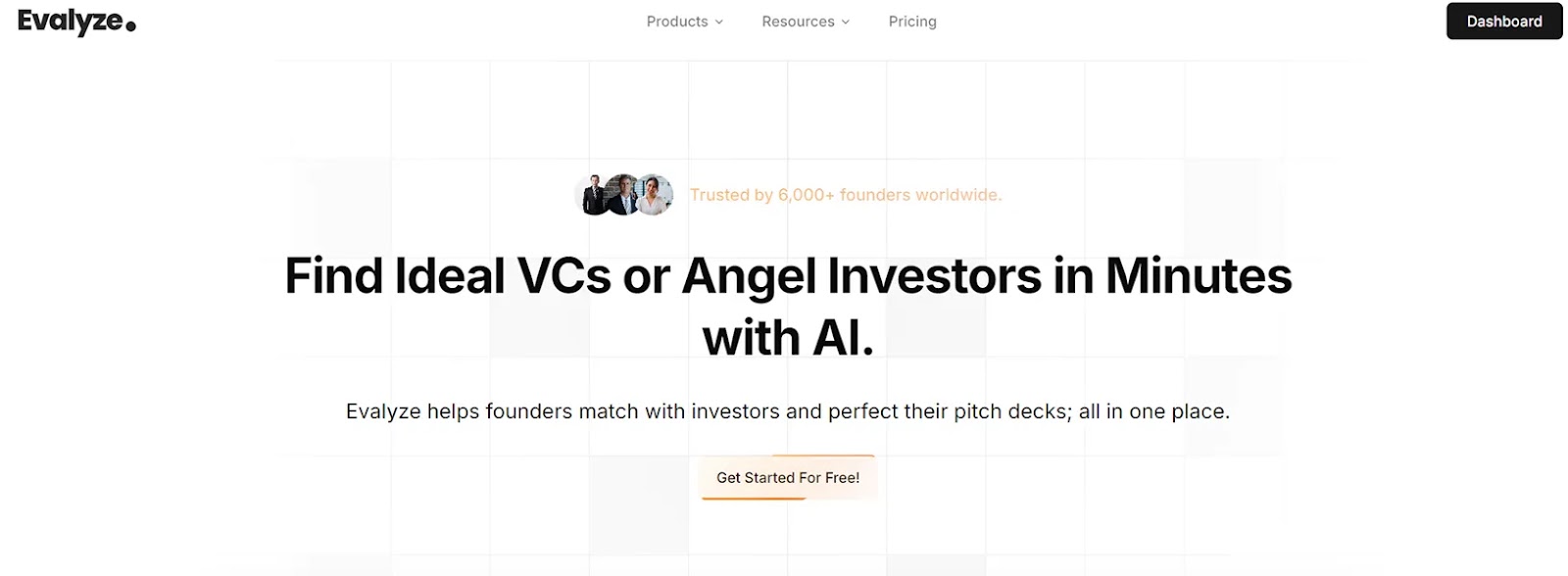
Use it when you want to match angels/investors based on your startup info and sanity-check your deck before outreach. Evalyze's own overview frames it as investor matching, deck upload/assessment, and campaign-style organization.
Best for: founders who want fewer, higher-fit conversations (instead of blasting lists).
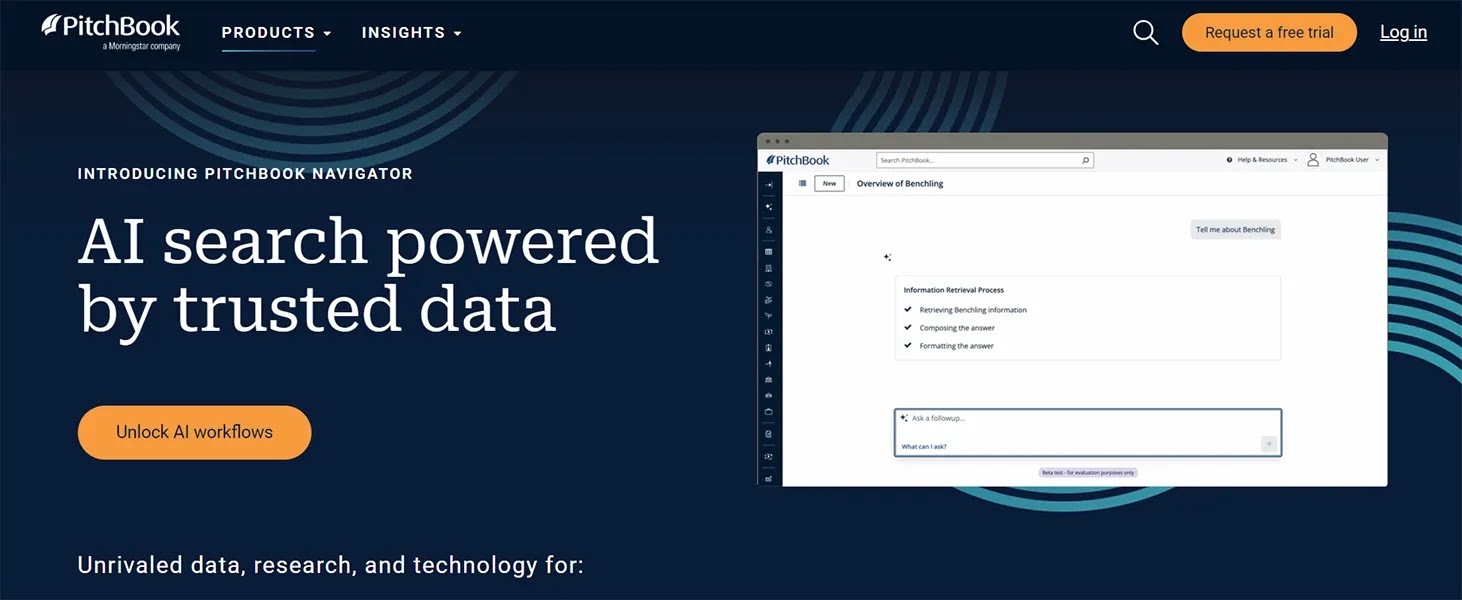
PitchBook positions itself as a deep investment data platform used for investor discovery and market activity tracking (and promotes AI capabilities inside its research workflows).
Use it: if you're doing serious investor research and care about historical patterns and firm activity signals.
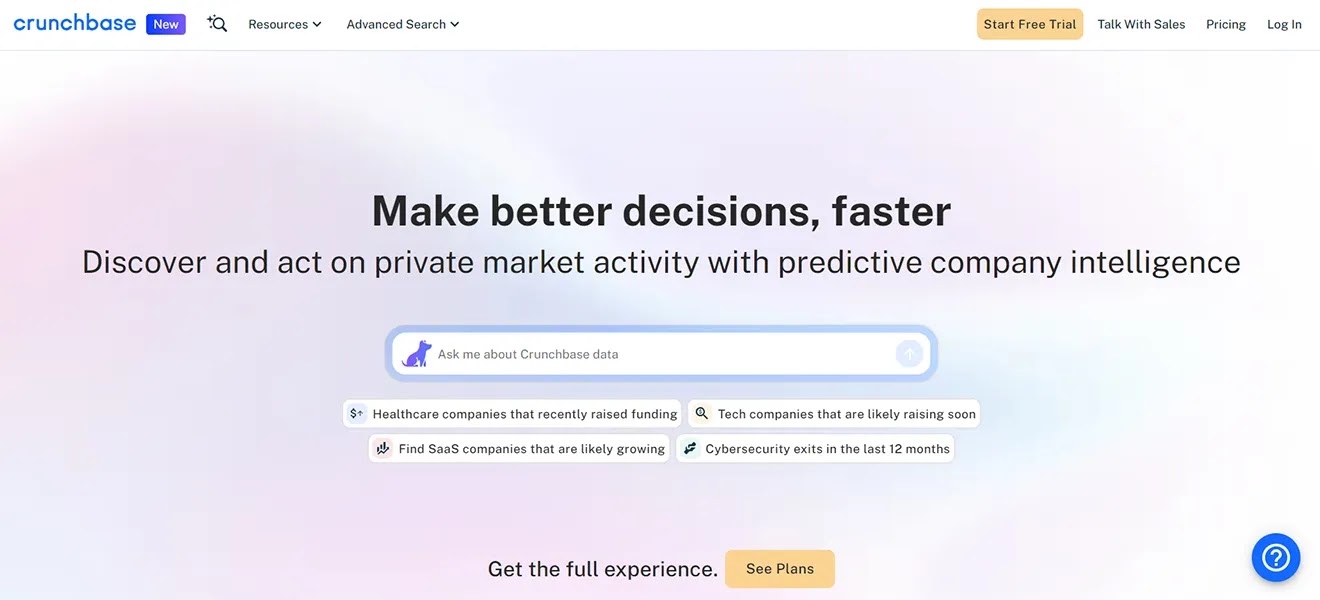
Crunchbase is widely used to filter companies and investors and track funding activity; it also offers AI-driven discovery and insights within the product experience.
Use it: when you want fast list-building + ecosystem context for a sector.
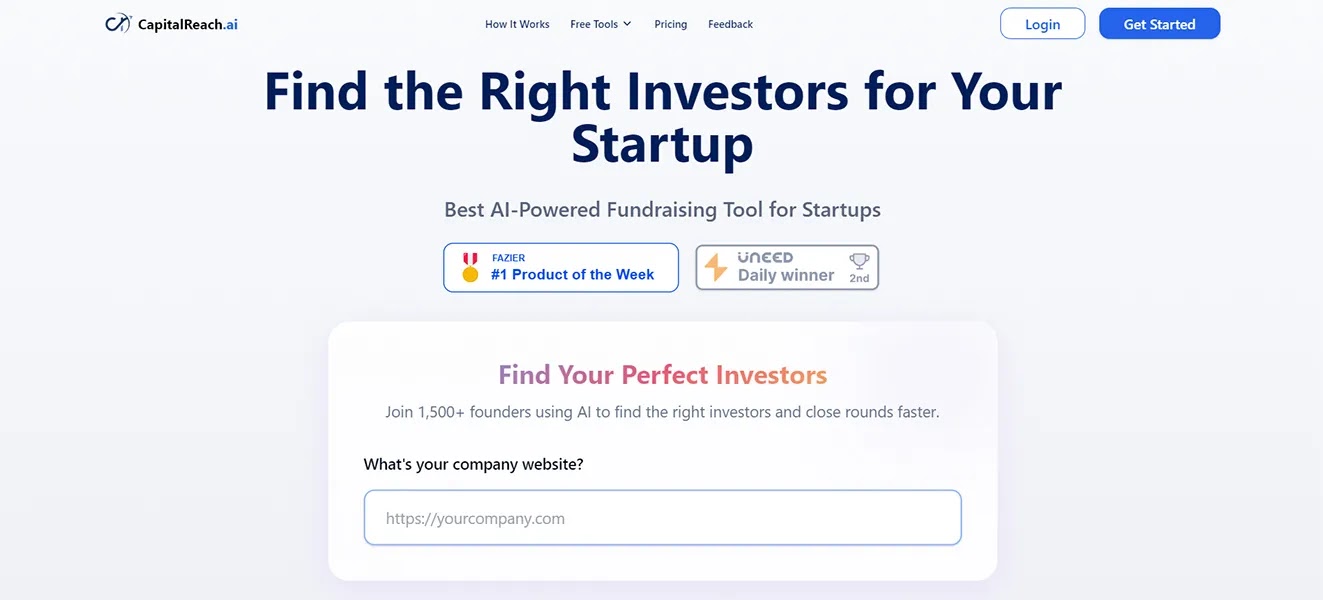
CapitalReach describes an all-in-one approach combining AI matching, outreach, and a pipeline (positioned explicitly as "AI-powered matching + automated outreach + CRM pipeline").
Best for: founders who want a single workspace for early targeting + sending.
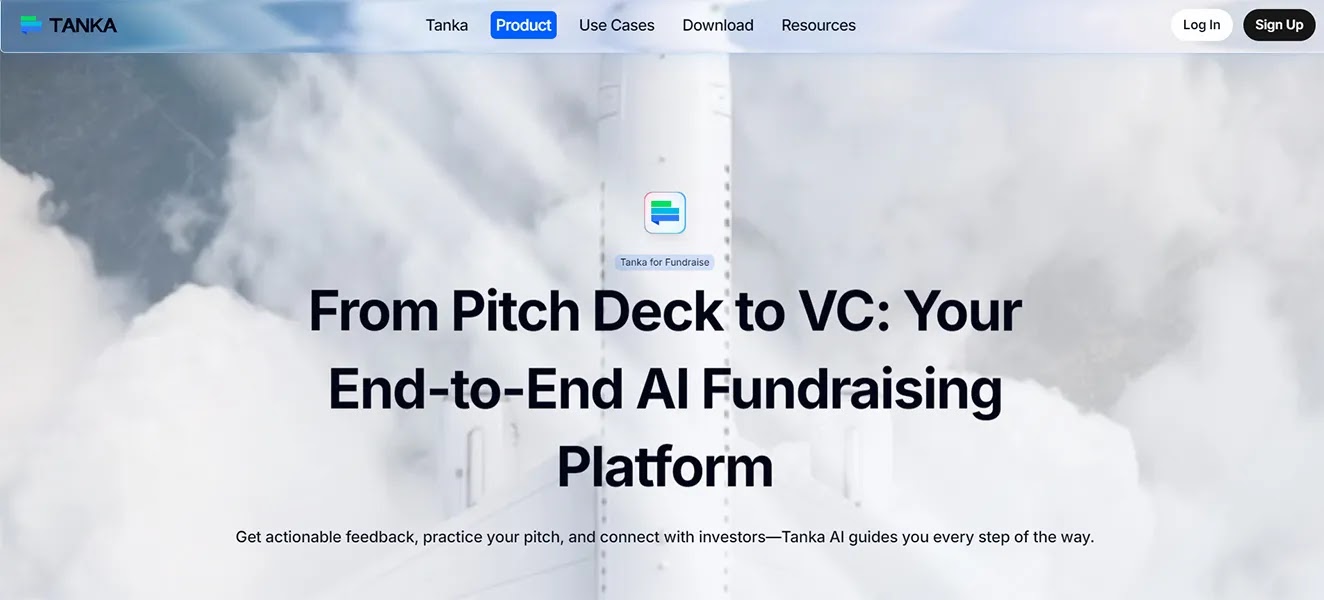
Tanka markets a "fundraise agent" concept: identifying prospects, optimizing decks, and automating pipelines, blending AI with human-guided support.
Best for: founders who want a guided process, not just a database.
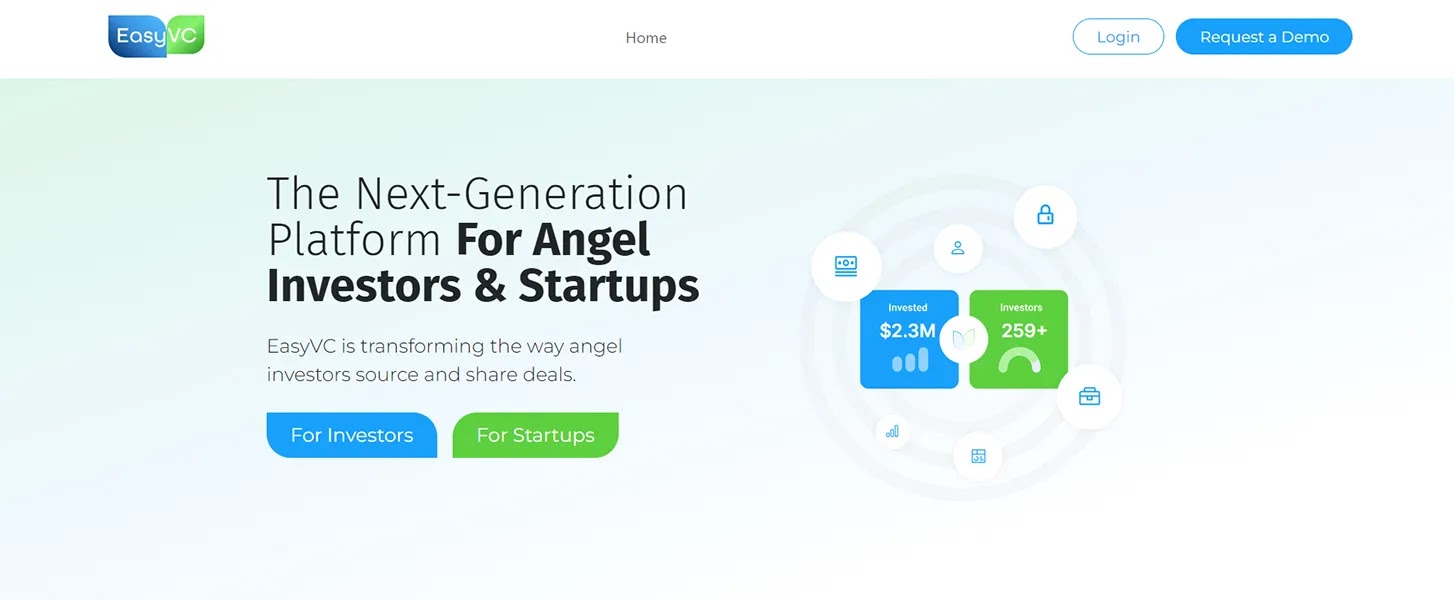
EasyVC explicitly pitches AI-based investor matching plus LinkedIn outreach automation and "warm intros through founders."
Reality check: anything that automates LinkedIn actions should be used carefully (account restrictions are real).

Fundra positions itself around investor discovery, activity signals, warm intro paths, and outreach tools (and mentions verified contact details).
Best for: founders who believe warm intros are the game (often correct).
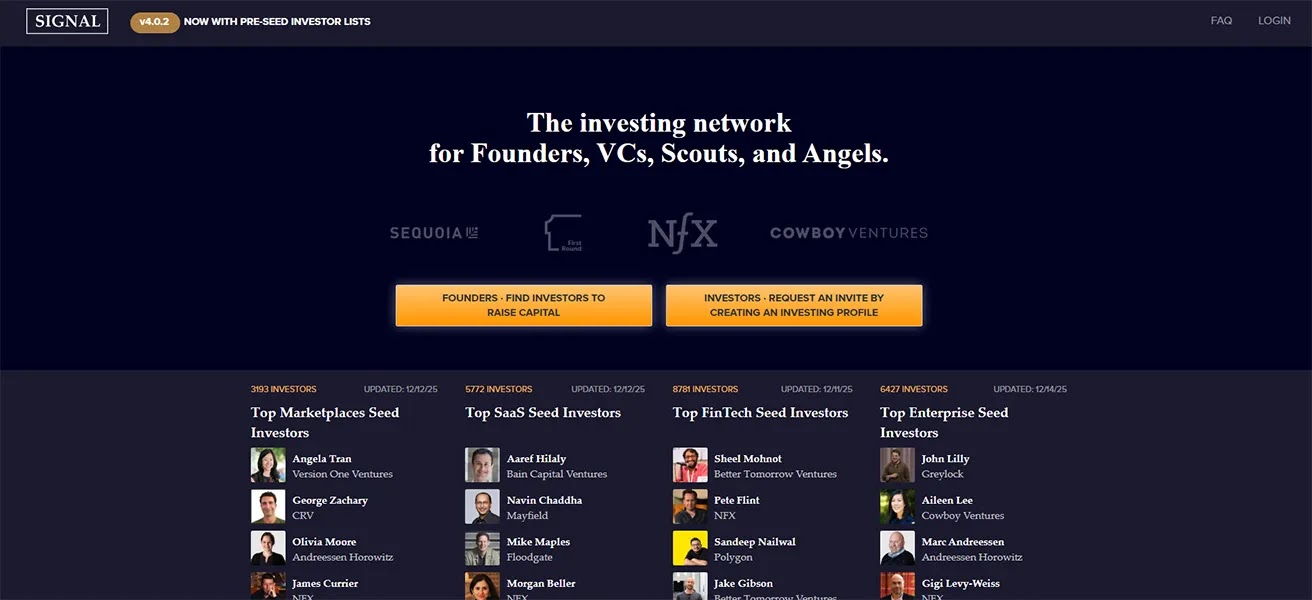
Signal is positioned as a matchmaking-style platform that connects startups and investors through structured profiles.
These help you answer: "Is my story investor-readable in 3 minutes?"
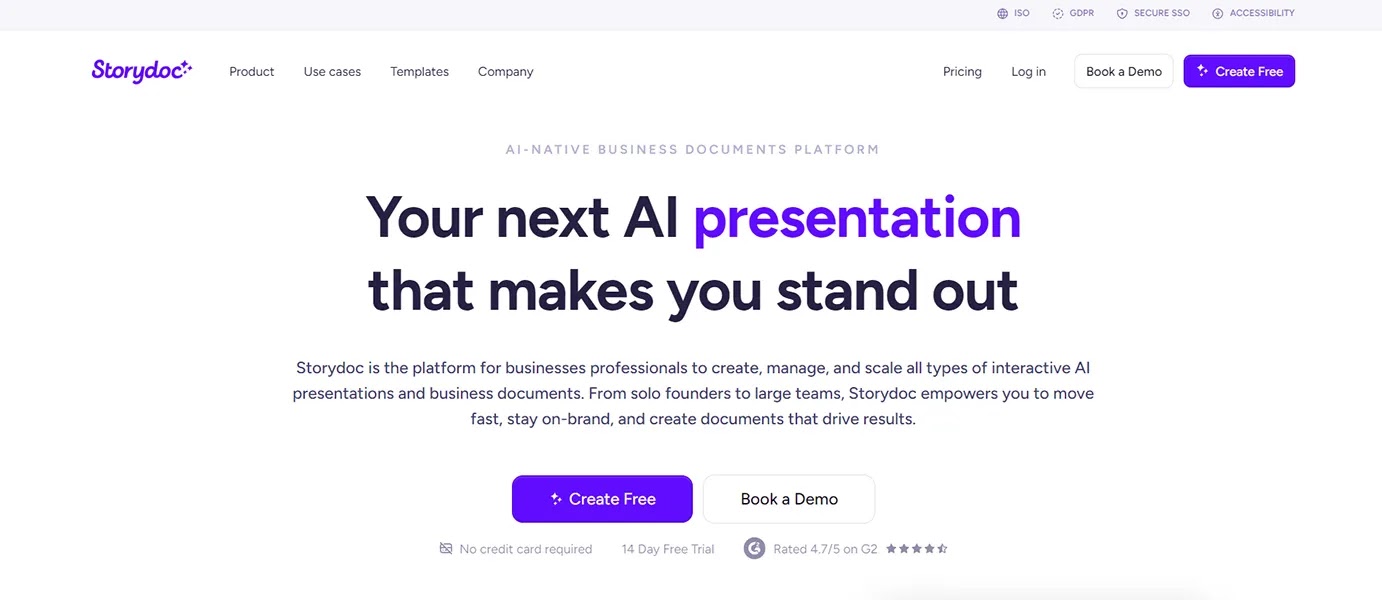
Storydoc markets interactive pitch decks and presentations, built to be more engaging than static slides.
Best for: founders who want a more product-like experience than "PDF + hope."

PitchBob positions itself as an AI pitch deck/startup document generator.
Best for: early drafts, structure scaffolding, and getting unstuck.
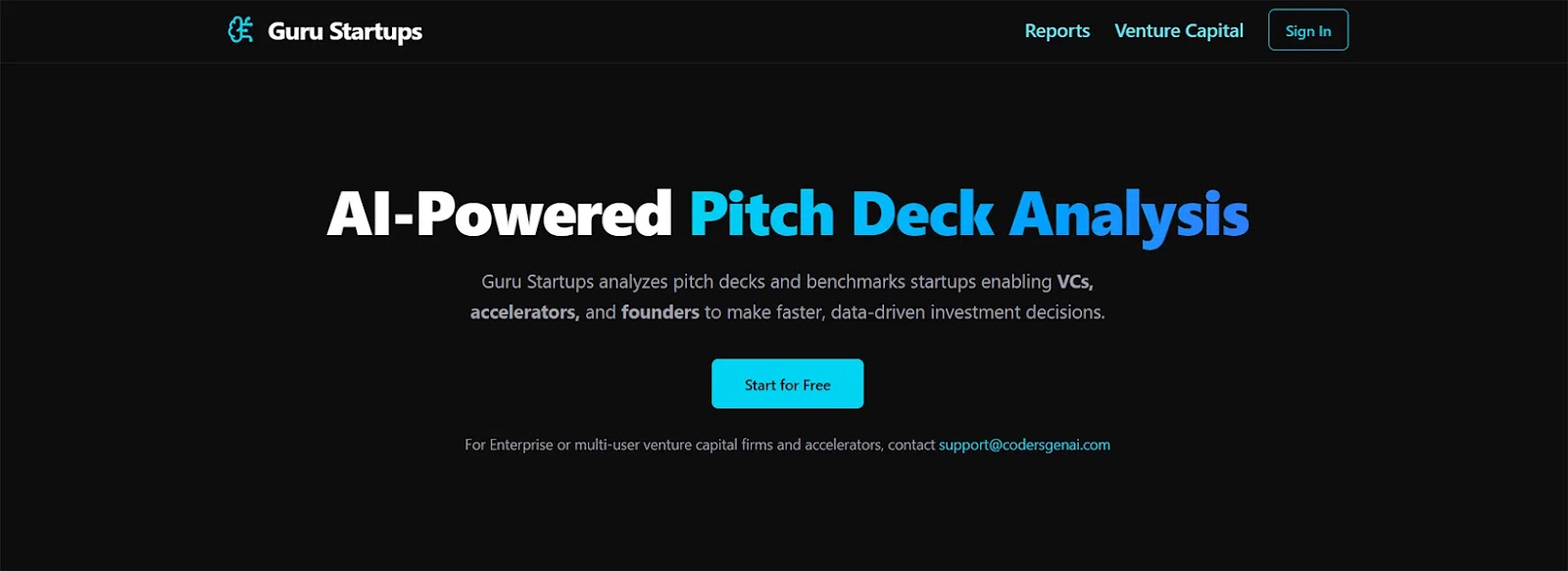
Guru Startups claims multi-point pitch deck analysis (50+ dimensions) and frames it as "AI-powered pitch deck analysis."
Best for: stress-testing narrative and diligence-style questions early.
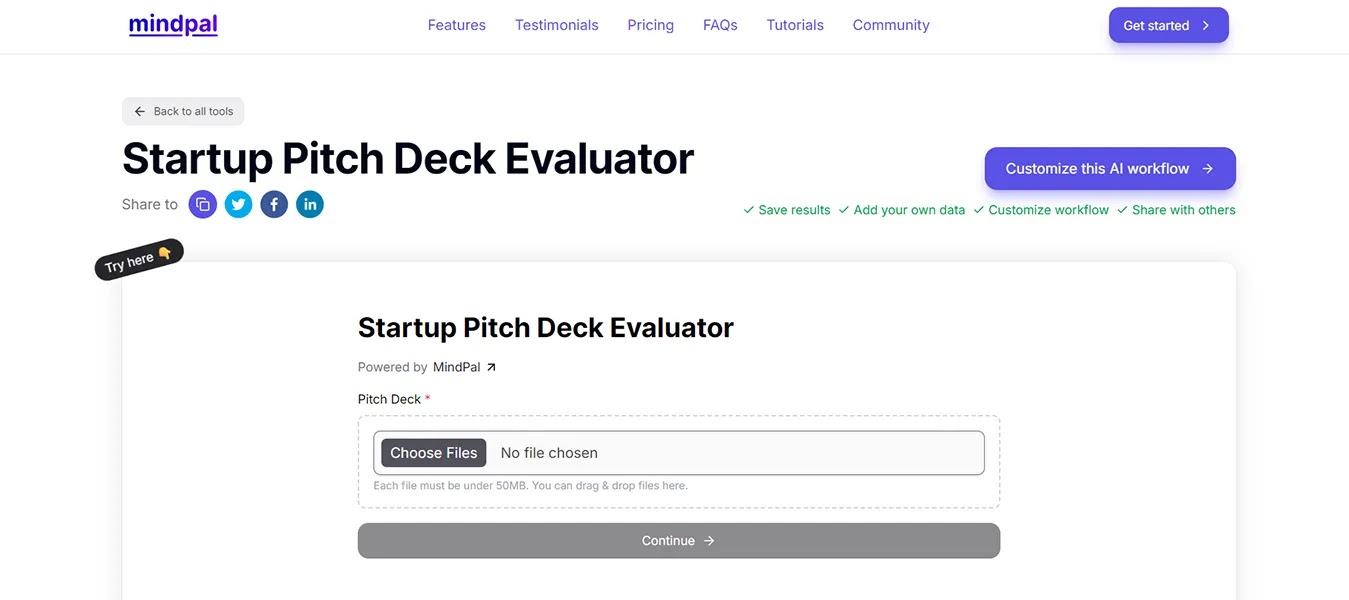
Workflow-based AI tools for pitch decks, including a Startup Pitch Deck Evaluator and "Business Idea Evaluation from Pitch Deck." Useful for founders who want structured feedback or benchmarking.
These help you answer: "Can I run a clean process without losing my mind?"
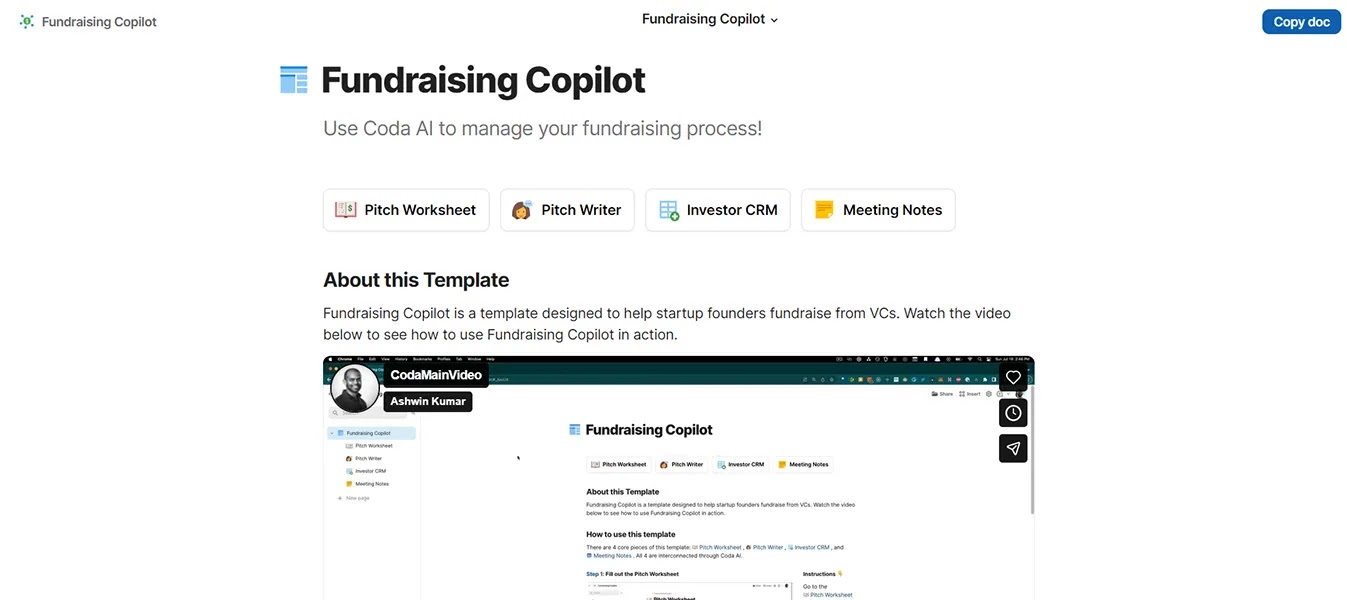
A practical fundraising workspace template that helps founders run an investor CRM, draft pitch notes/emails with AI, and keep meeting notes + next steps organized in one place. (Better than a prompt library because it's an actual operating system for the round.)
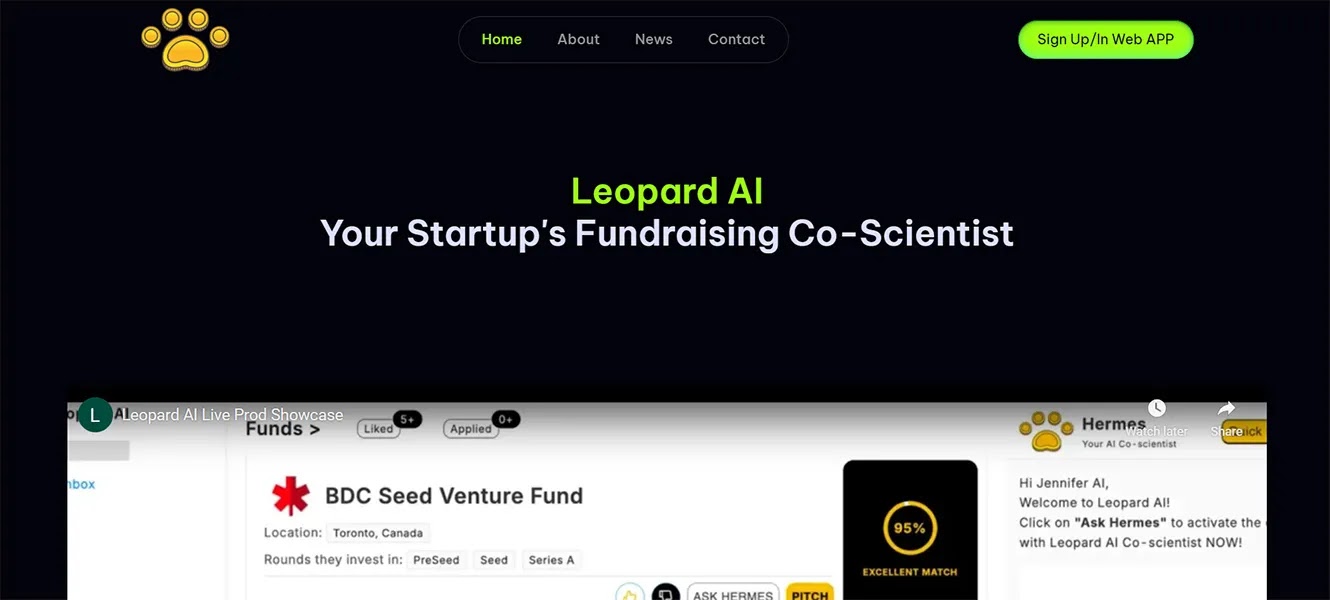
Leopard AI is described in fundraising roundups as an outreach/research copilot; there's also a Leopard AI site describing itself as a platform for founders.

Mixmax is a well-known email productivity tool (for tracking, scheduling, and sequences) used for outbound workflows.

Capitaly publishes guidance around AI recommendations inside fundraising CRM workflows. Treat as useful for workflow ideas; verify product capabilities if you're buying software.
These help you answer: "Can investors get answers fast without chaos?"
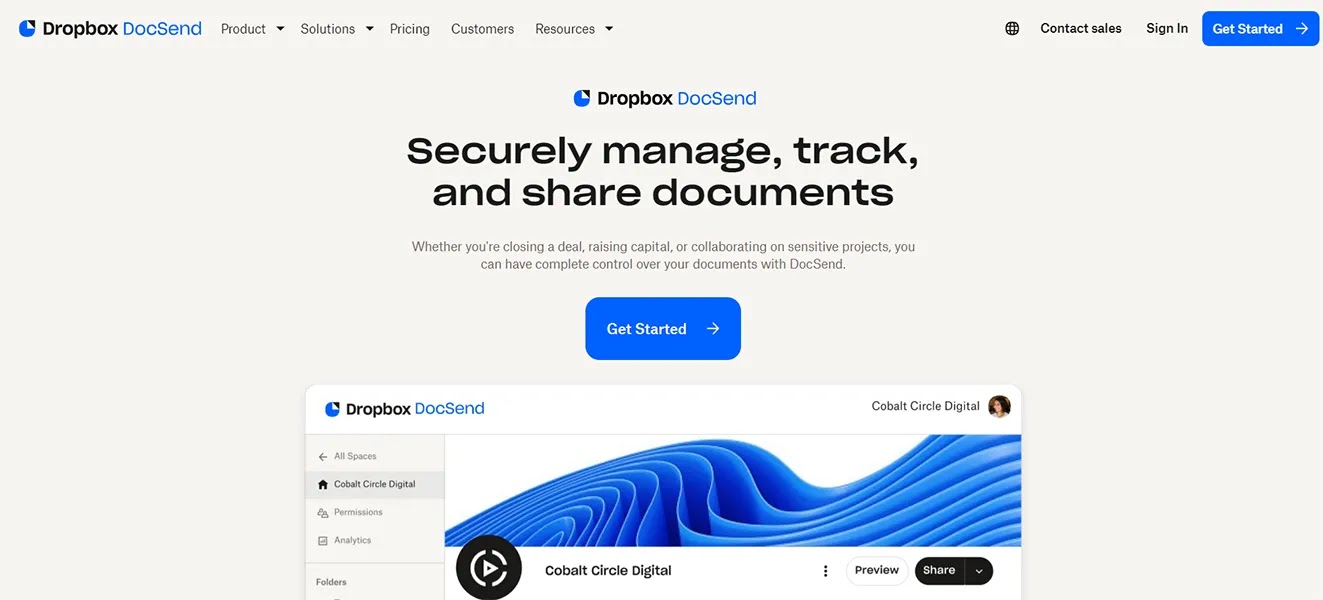
DocSend is widely used for secure deck sharing and engagement analytics (who viewed, what they viewed, when).
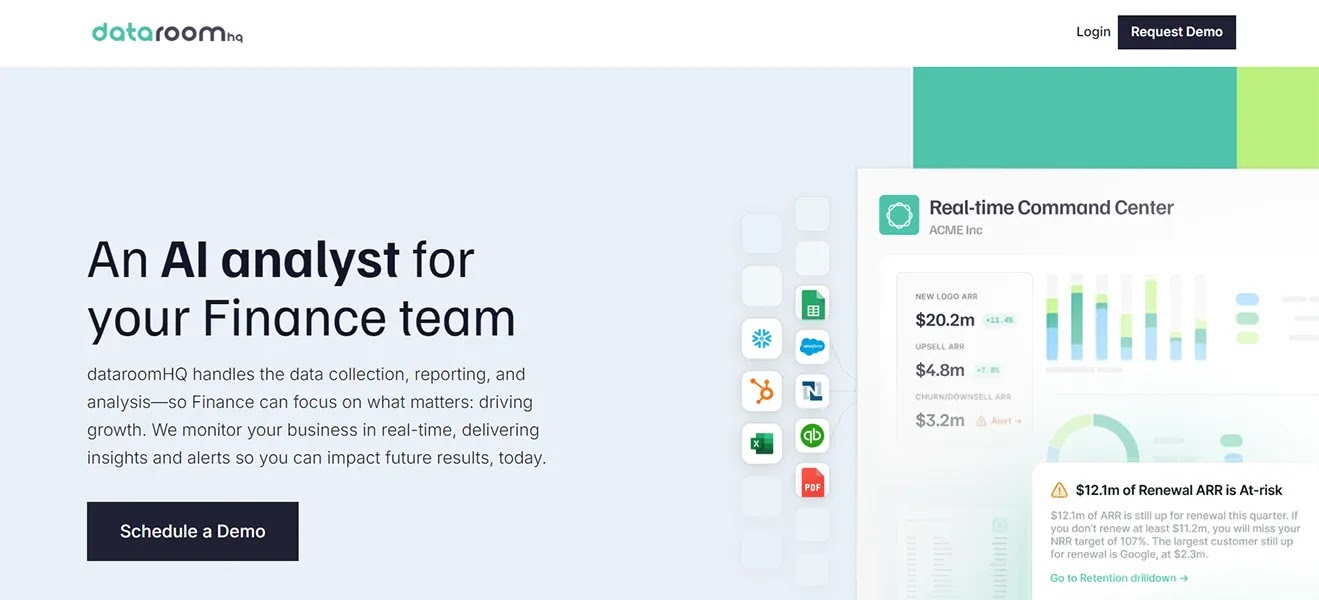
Despite the name, dataroomHQ positions itself more around automated reporting + insights for finance teams; it's also been covered as a company that helps investors evaluate companies and helps companies report/analyze metrics.

Humata markets "ask questions of your documents" workflows, practical when diligence is document-heavy and time is short.
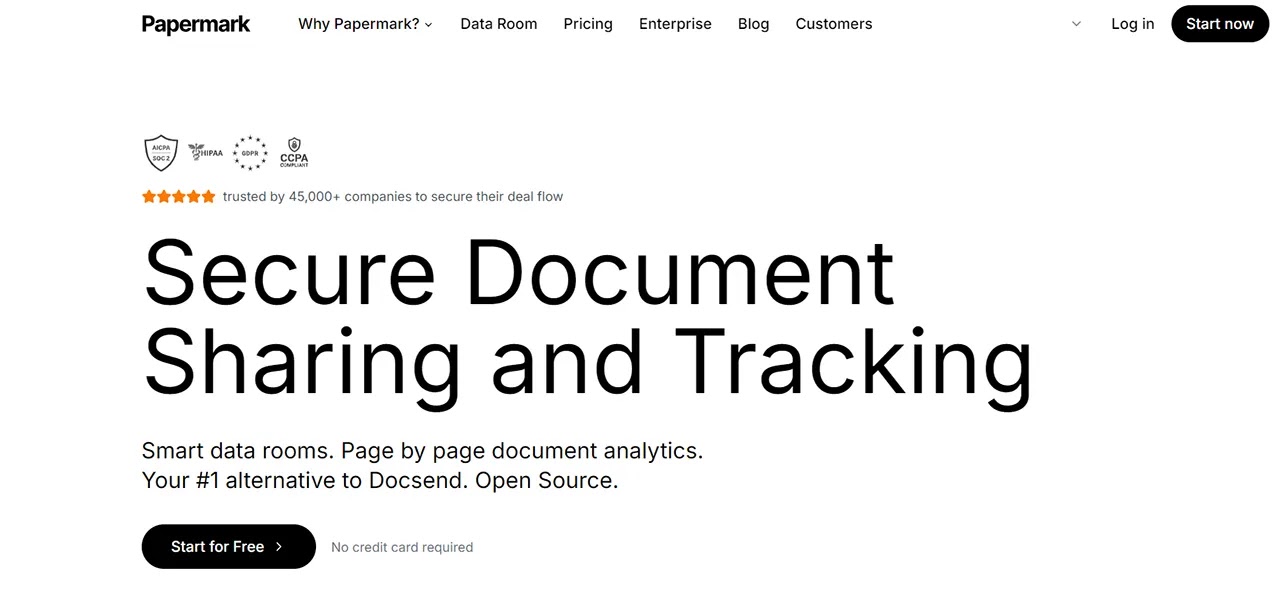
Papermark is positioned as a DocSend-style document-sharing + data-room tool, with analytics and strong "control/branding" vibes; it's also described in community comparisons as a common alternative that founders consider.
Two moments kill most rounds:
Evalyze.ai is designed around those two moments: pitch deck assessment + angel/investor matching based on your startup info, so you start with a tighter story and a more relevant shortlist.